
10 Mistakes People Make When Decorating Small Spaces
We’ve all been there—you move into a cozy new apartment, you’re scrolling through Pinterest for hours, and you’re convinced you can fit that massive L-shaped velvet sectional into your 200-square-foot living room. Fast forward two weeks, and you’re literally climbing over furniture just to get to the kitchen. Decorating small spaces is a total balancing act.

It’s so easy to accidentally make a room feel like a claustrophobic storage unit rather than the “boho-chic” sanctuary you envisioned. The good news? Most of the “clutter” feel isn’t because your room is too small; it’s because of a few common design blunders that are surprisingly easy to fix.
1. Buying “Tiny” Furniture for a Tiny Room
It sounds logical, right? Small room, small furniture. But filling a room with five or six tiny chairs and little side tables actually makes the space look cluttered and “fussy.”
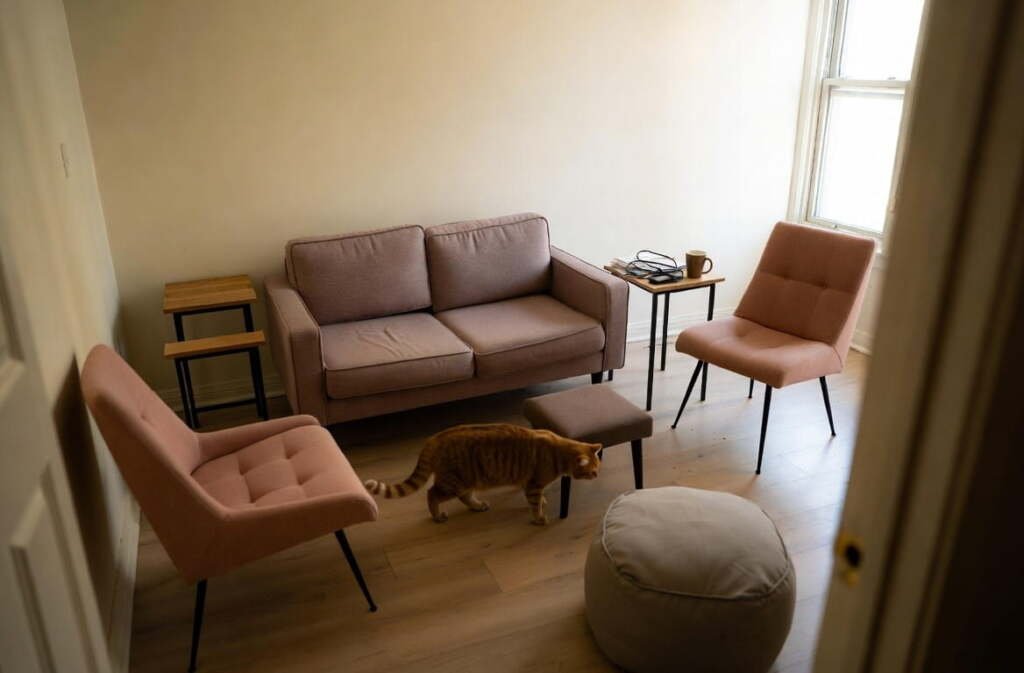
The Fix: One or two larger, high-quality pieces (like a proper sofa and a large jute rug) actually make a room feel more expansive. It’s all about “visual simplicity.” Instead of a dozen small things for your eyes to trip over, give them one beautiful focal point.
2. Pushing All Your Furniture Against the Walls
This is the go-to move for anyone decorating small spaces. We think that by shoving the sofa against the wall, we’re “saving” floor space. In reality, it creates a stiff, “waiting room” vibe that highlights the exact dimensions of the room.
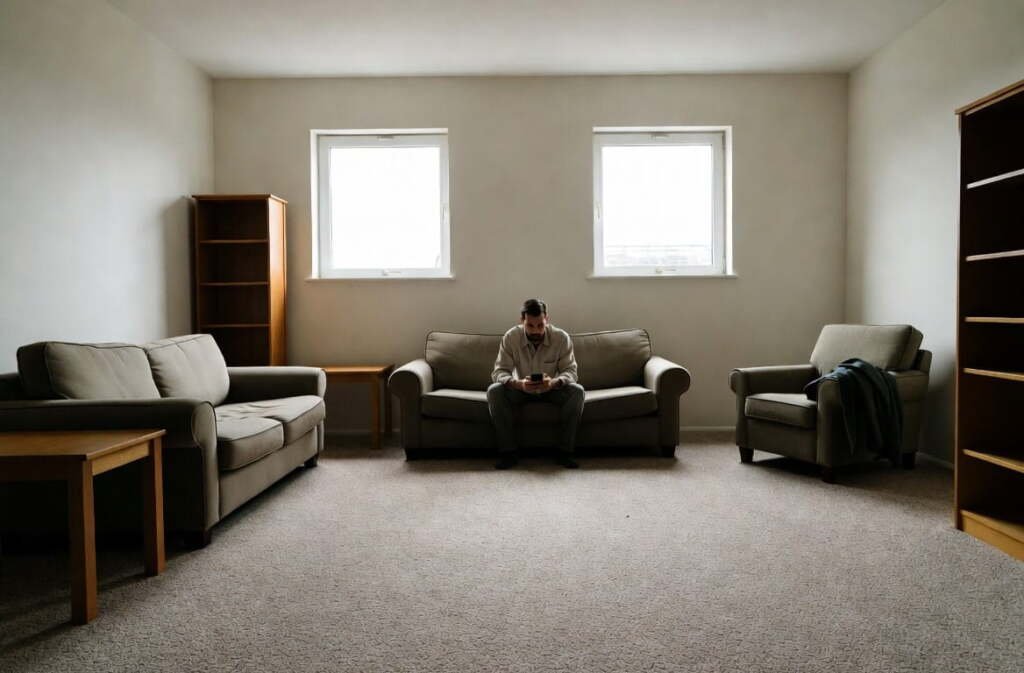
The Fix: If you can, “float” your furniture even just a few inches away from the wall. It creates shadows and depth, giving the illusion that the walls are further back than they actually are.
3. Ignoring the “Power of Rugs”
I see this all the time: a tiny “postage stamp” rug sitting in the middle of a room. A small rug visually “chops up” the floor, making the boundaries of the room feel tighter.
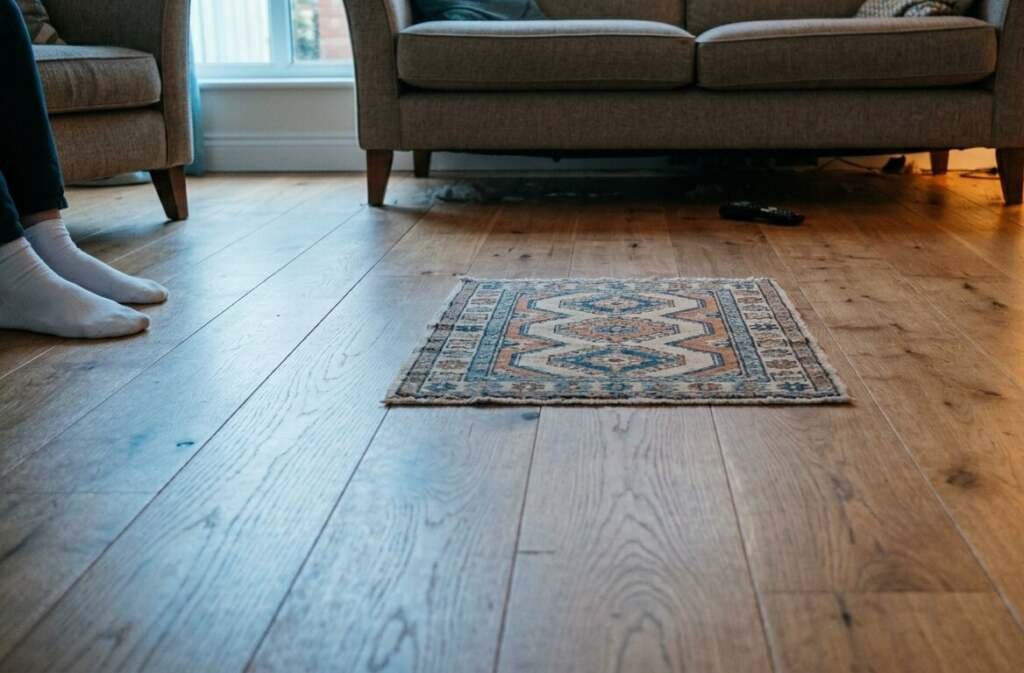
The Fix: You want a rug that is large enough for all the main furniture legs to sit on. When you use a large natural fiber rug—like seagrass or sisal—it draws the eye outward to the edges of the room. It creates a seamless look that makes the floor plan feel infinite.
4. Using Heavy, Dark Curtains
If you’re hanging heavy, dark velvet drapes in a small room, you’re basically suffocating your space. They absorb light and make the windows feel smaller than they are.
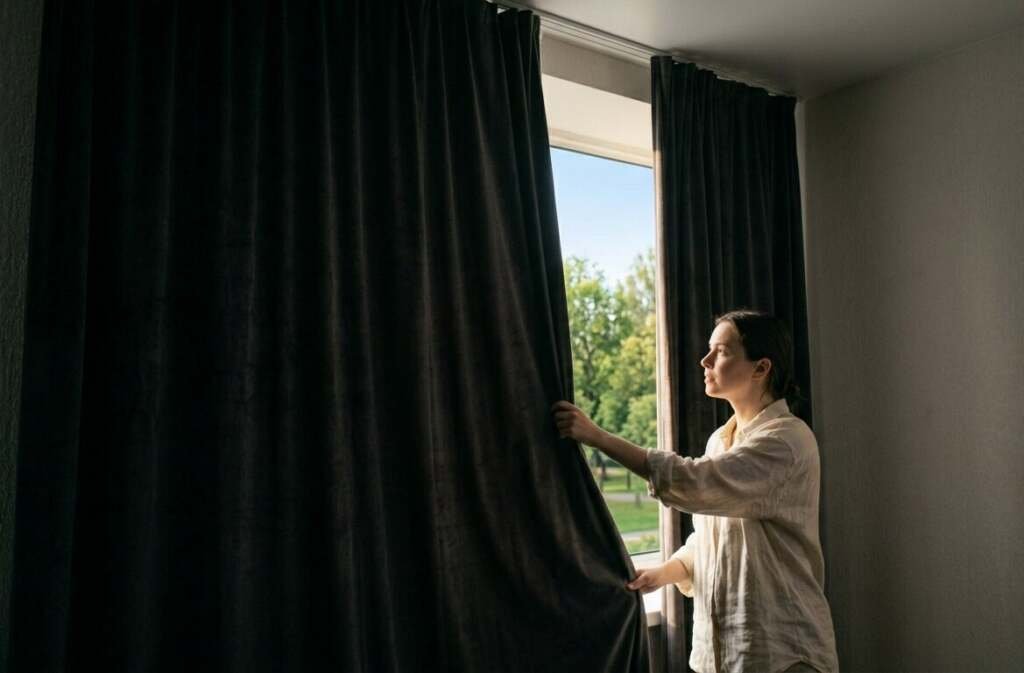
The Fix: Go for light, airy materials like organic cotton or linen. Hang them high and wide. If your curtain rod extends 6-10 inches past the window frame, it tricks the brain into thinking the window is massive.
5. Forgetting About Vertical Real Estate
When we think about decorating small spaces, we usually only look at the floor. But you have eight feet of wall space just sitting there!
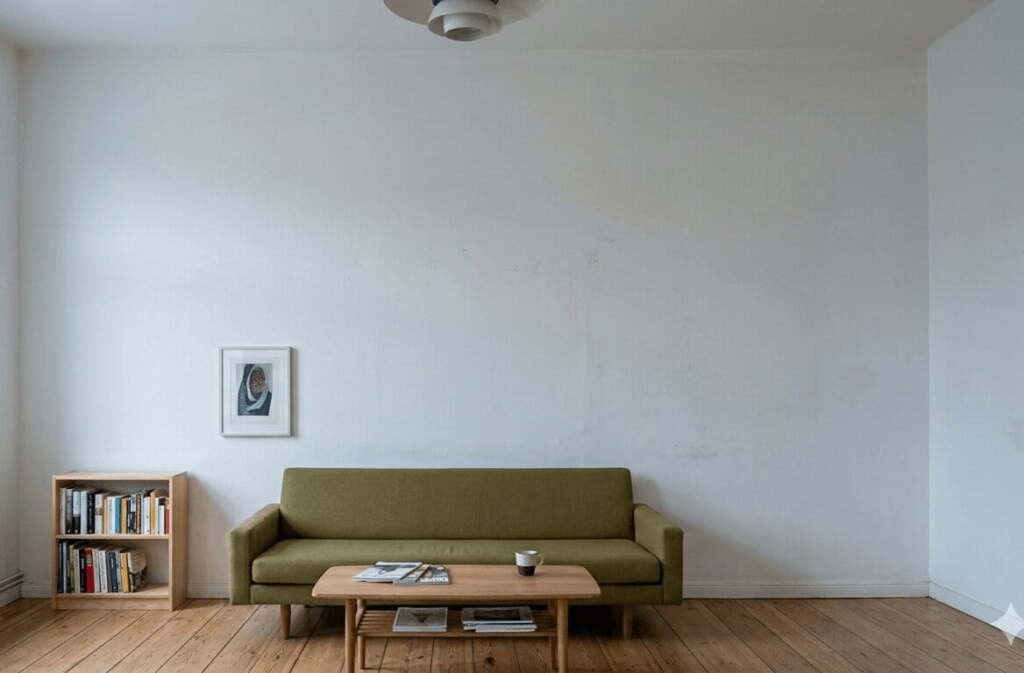
The Fix: Use tall bookshelves or “floating” shelves that go all the way to the ceiling. This draws the eye upward, making the ceiling feel higher. It also keeps your “stuff” off the floor, which is the #1 rule for keeping a small apartment feeling breezy.
6. Over-Decorating Small Spaces
I love a good “shelfie” as much as the next person, but in a small space, every little knick-knack adds to the visual “noise.” If every surface is covered in candles, books, and plastic plants, the room will feel like it’s closing in on you.
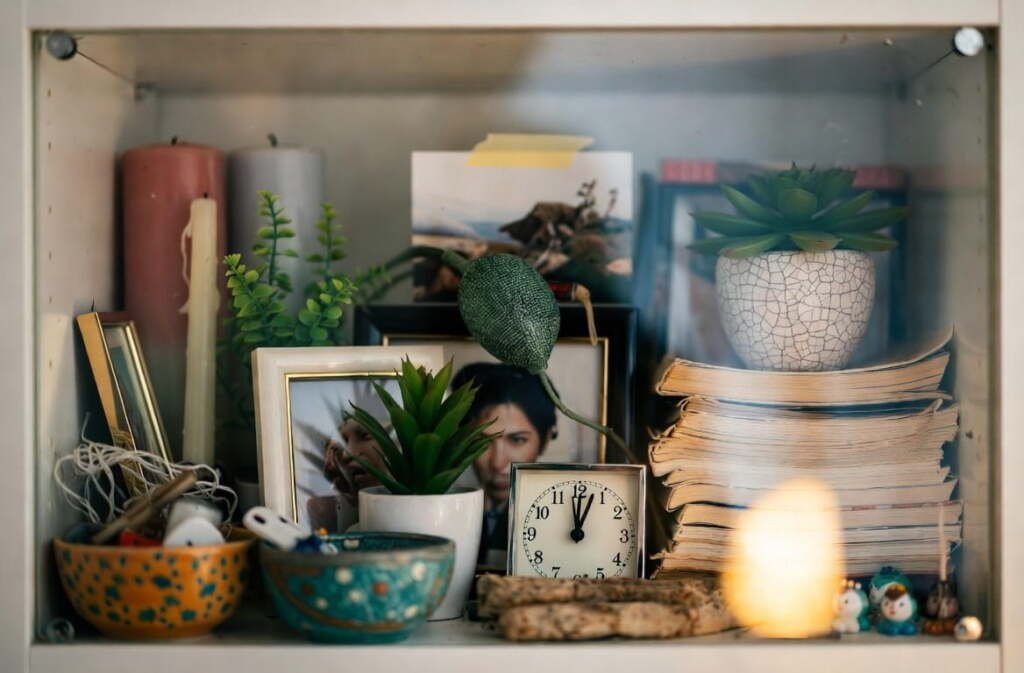
The Fix: Embrace the “Negative Space.” Leave some surfaces empty. Choose one or two high-impact sustainable decor pieces—like a handcrafted ceramic vase or a beautiful seagrass basket—and let them breathe.
7. Single Overhead Light For Decorating Small Spaces
Nothing makes a small room look sadder than a single, harsh “boob light” on the ceiling. It creates dark corners and makes the space feel flat and cramped.
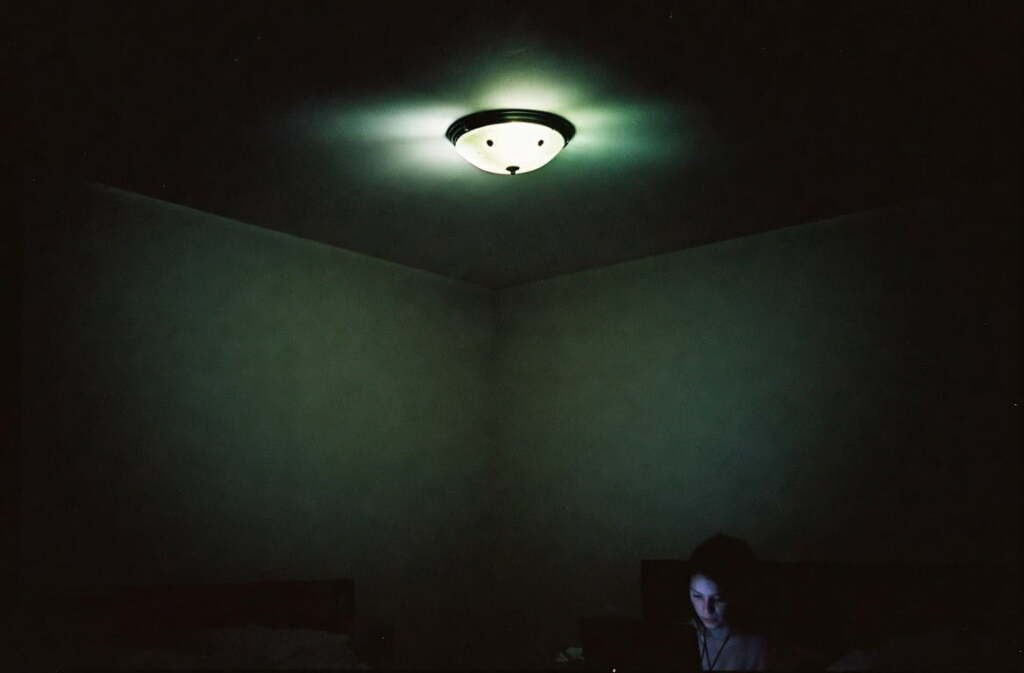
The Fix: Layer your lighting. Use floor lamps, table lamps, and even “puck” lights under cabinets. Creating different “pools” of light makes the room feel layered and much larger than it actually is.
8. Blocking the Natural Light
This seems obvious, but people often place tall furniture right next to windows, blocking the very thing that makes a small room livable: sunlight.
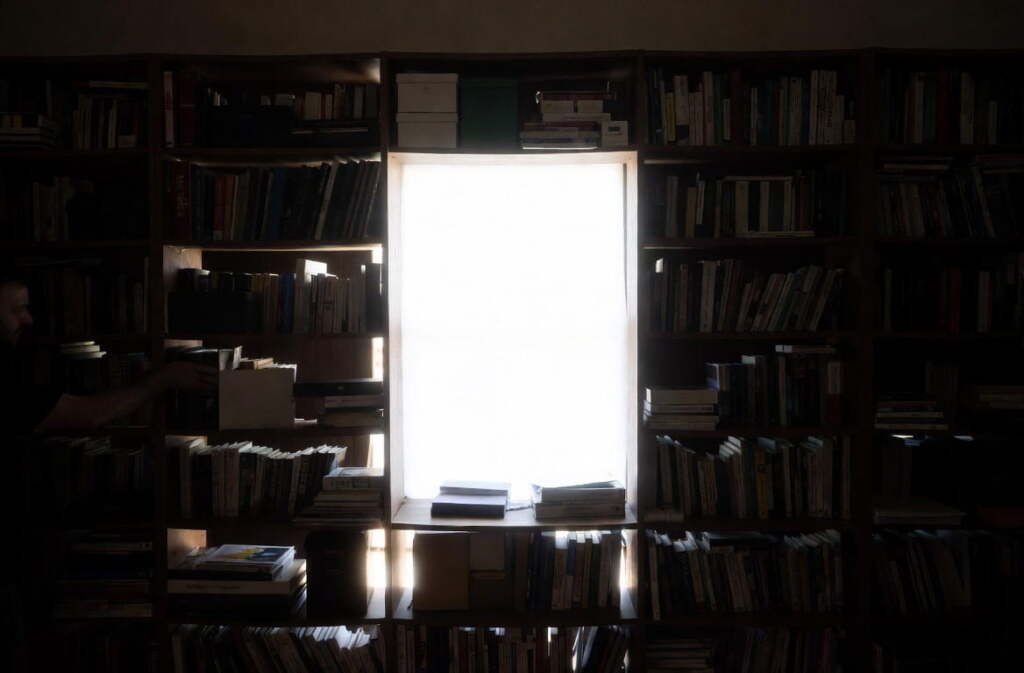
The Check: Look at your room at 2 PM. Is there a bookshelf or a bulky chair casting a massive shadow? Move it. Keep the path of light clear. Use mirrors opposite your windows to bounce that light into the darker corners of the room.
9. Choosing “Boxy” Furniture
Furniture that sits flat on the floor acts like a visual wall. It stops your eye from seeing the floor underneath, which makes the room feel “heavy.”
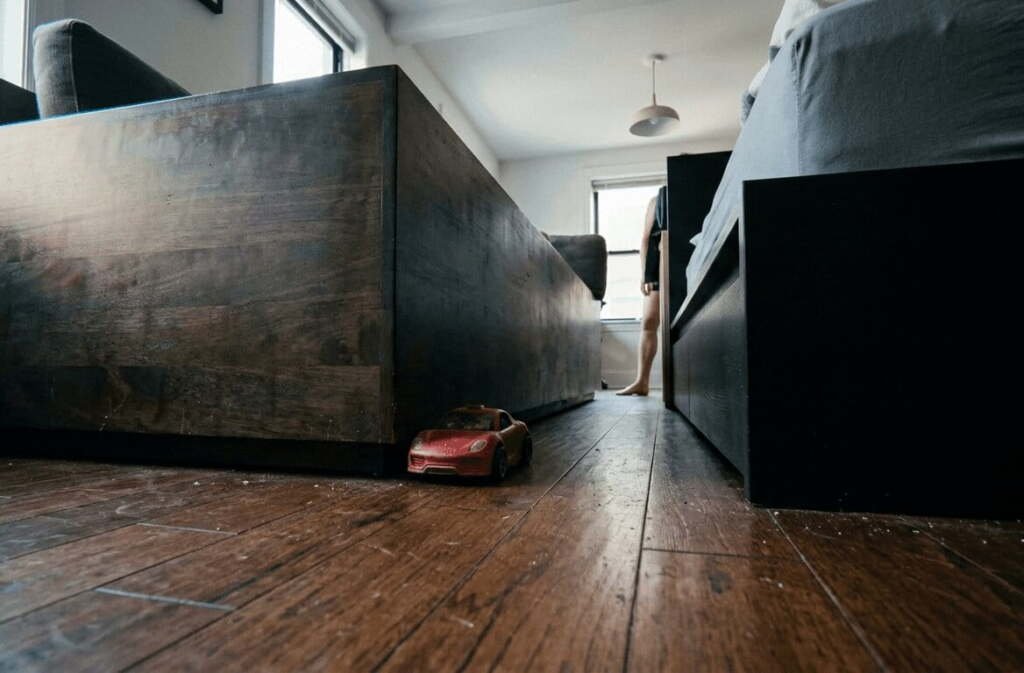
The Fix: Look for furniture with legs! When you can see the floor extending under your sofa or your bed, your brain perceives that extra square footage. It’s one of the most effective apartment styling tips in the book.
10. Thinking You Can’t Have “Style” While Being Sustainable
A lot of people think that if they want to be eco-friendly, they have to sacrifice the “high-end” look. They buy cheap, plastic storage bins because they think “sustainable” is too expensive or too “rustic.”
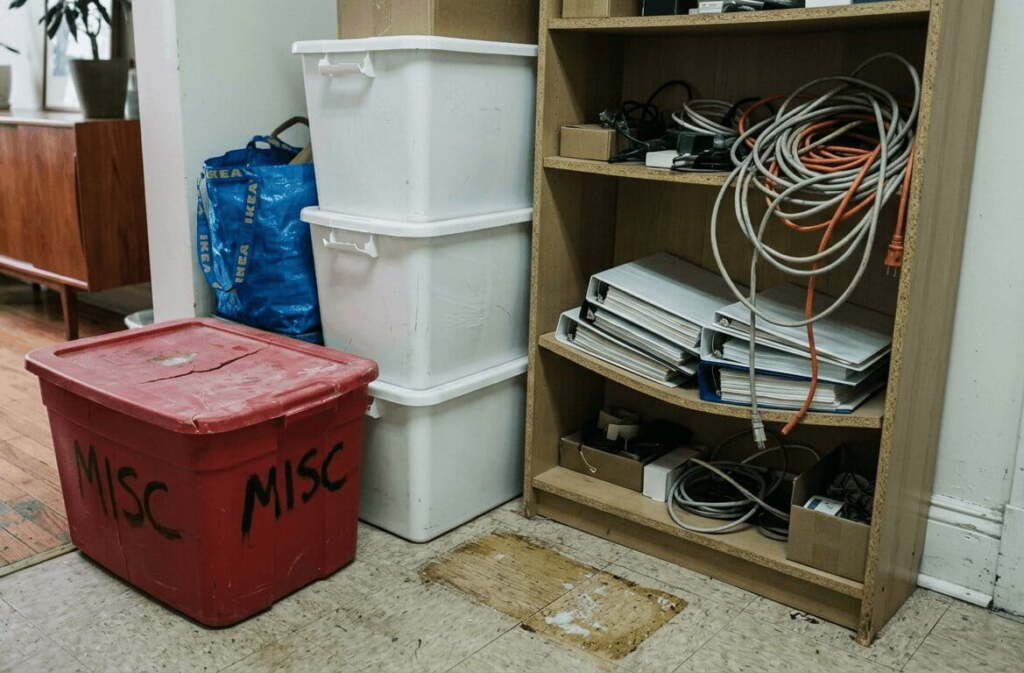
The Truth: Actually, natural materials like wood, stone, and jute are the hallmark of luxury design. When you’re decorating small spaces, using high-quality natural textures makes the room feel expensive and intentional.
The “Honest Truth” About Decorating Small Spaces
Living in a small space isn’t a “punishment”—it’s an opportunity to become an editor of your own life. You learn what you actually need and what’s just “noise.”
By avoiding these ten mistakes, you’re not just making a room look bigger; you’re making it more functional and peaceful. Whether you’re working with a tiny studio in the city or a small guest room, remember: it’s not about the square footage, it’s about how you use the light, the lines, and the materials.
Are you ready to stop making these mistakes and start loving your space?
Explore our other blogs on sustainable living