
Japanese Minimalist Home: How Japan Masters Sustainable Living
What if your home made you feel calmer, lighter, and more connected to the world around you? That’s exactly what a Japanese minimalist home does — and Japan has been doing it for centuries.
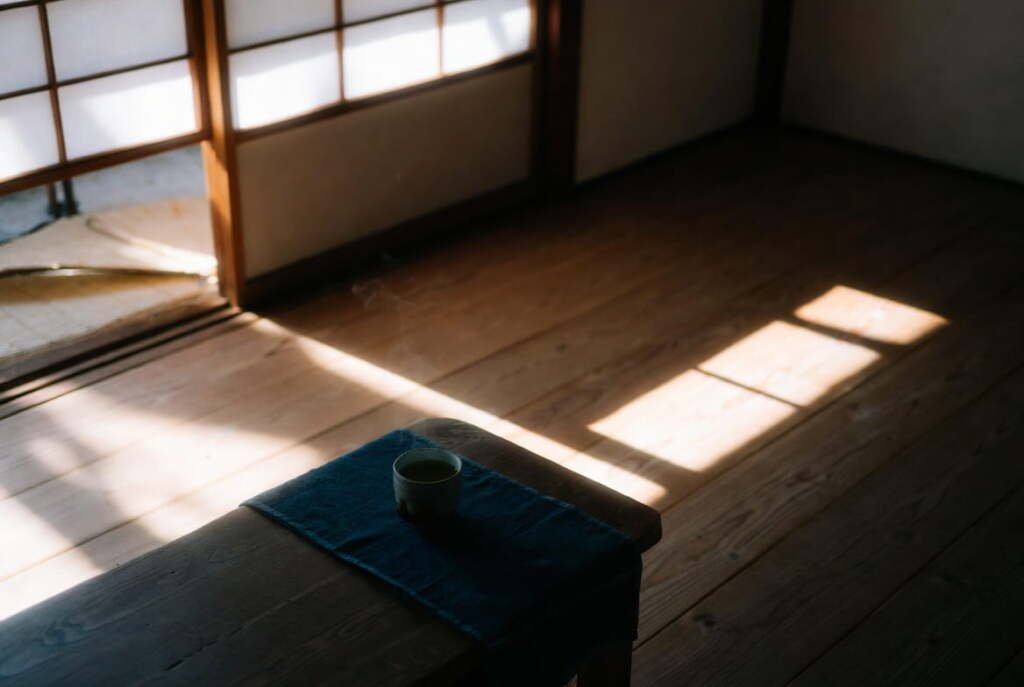
In today’s world, we’re surrounded by clutter — physical, mental, and digital. More stuff doesn’t mean more happiness. In fact, studies show the opposite. And that’s where Japan quietly steps in, showing the world how to live better with less.
Japanese minimalism isn’t just a trend. It’s a deeply rooted way of life. And the best part? It’s also one of the most sustainable ways to live on the planet. Let’s dig into what makes it so special — and how you can bring a little of it home.
What Is Japanese Minimalism?
At its core, Japanese minimalism is the art of removing what doesn’t matter — so what truly matters can shine.
The roots go deep. Zen philosophy, which influenced Japanese culture for over a thousand years, teaches that clarity comes from simplicity. Cluttered spaces create cluttered minds. A clean room, in many ways, is a clean thought.
You also see this in traditional Japanese aesthetics — the concept of wabi-sabi, which finds beauty in imperfection and impermanence. Or ma, the idea that negative space (the empty areas in a room) carries just as much meaning as the filled ones.
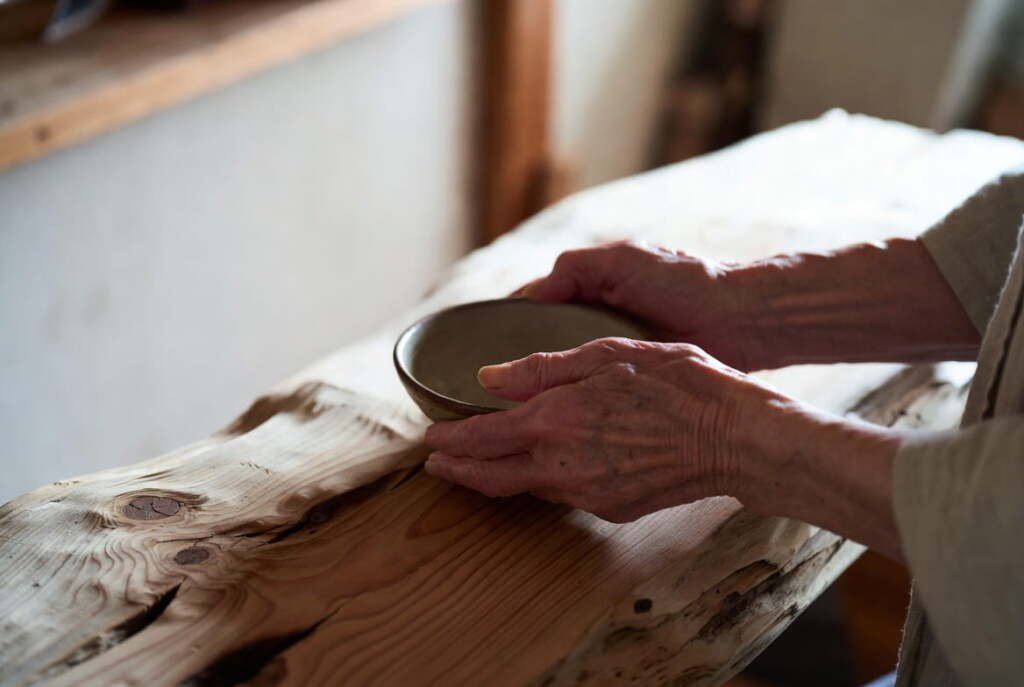
Today, minimalism resonates with millions of people globally. Not because it’s trendy — but because it works. Fewer things to manage means more time, more energy, and more peace.
Key Features of a Japanese Minimalist Home
Space & Natural Light
Walk into a traditional Japanese home, and the first thing you notice is space. Open floor plans. Clean sightlines. Nothing is fighting for your attention.
Natural light is treated like a luxury material. Large windows, shoji screens (translucent paper panels), and thoughtful orientation let daylight do the design work. No harsh overhead lights needed.
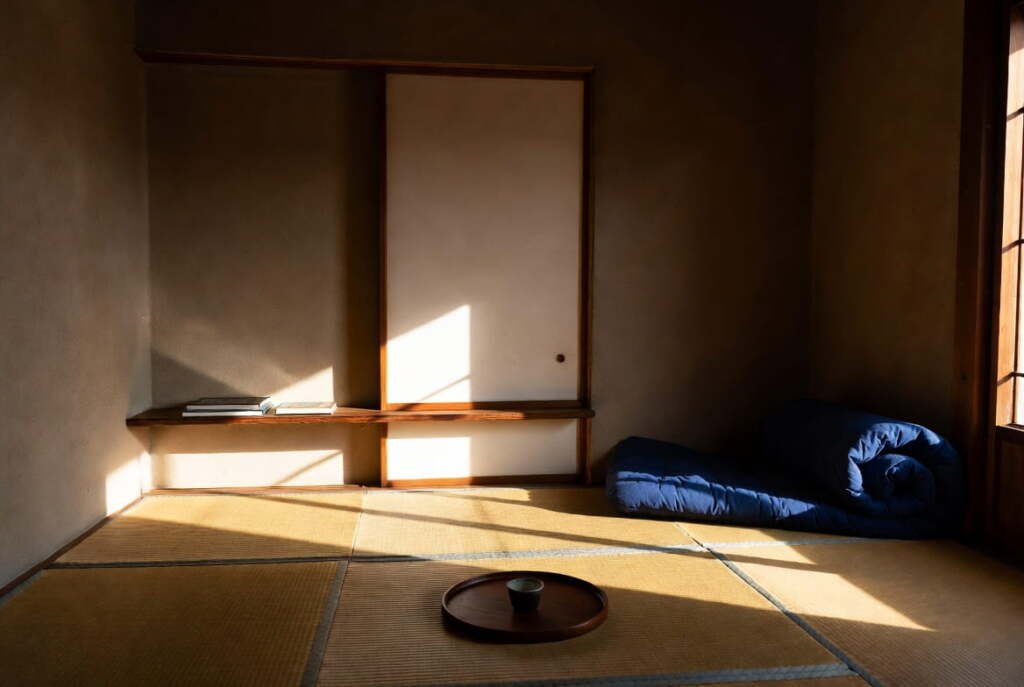
- Open Floor Plans
Rooms flow into each other. Space breathes. Walls only appear where truly needed. - Natural Materials
Wood, bamboo, stone, and rice paper. Nothing synthetic unless absolutely necessary. - Multi-Use Furniture
A futon becomes a sofa. A step becomes storage. Every piece earns its place.
Natural Materials & Earthy Palettes
Japanese homes love wood — especially cedar and cypress. Bamboo, stone, and natural woven textiles appear everywhere. The color palette? Think warm whites, soft grays, sandy beiges, and muted greens. These aren’t boring. They’re intentional. They’re calming.
This connection to natural materials isn’t just beautiful — it’s eco-friendly. Wood is renewable. Bamboo grows incredibly fast. Stone lasts forever. Smart choices from the start.
Multi-Functional Furniture
Here’s a Japanese minimalist secret: every piece of furniture has a job. A low dining table doubles as a workspace. Built-in storage disappears into walls. Futons fold away during the day. This multi-functional thinking keeps spaces free and uncluttered — and means you buy less overall.
Minimalism isn’t about having nothing. It’s about making room for everything that truly matters.
Sustainable Living Practices in Japan
Japan doesn’t just design minimalist homes — it builds minimalist lifestyles around them. And sustainability is woven into every thread.
Recycling & Waste Management
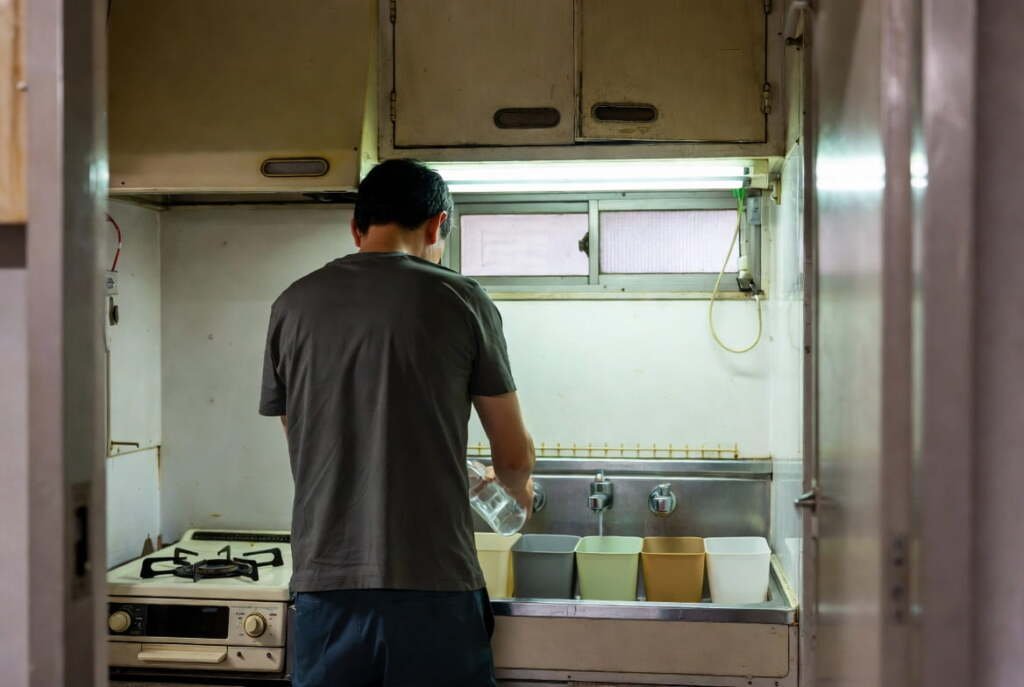
Japan is famously serious about waste. In many cities, trash is sorted into 10 or more categories. Recycling isn’t optional — it’s cultural. The mindset of mottainai (a Japanese word for “what a waste!”) means nothing is thrown out if it still has value. Repairing, reusing, and repurposing are everyday habits.
Energy-Efficient Technology
Japan is a global leader in energy innovation. Solar panels are common on residential rooftops. Energy-saving appliances are the standard, not the exception. Many newer Japanese homes are built to net-zero energy standards — meaning they produce as much energy as they consume. Impressive, right?
Small-Space Gardening
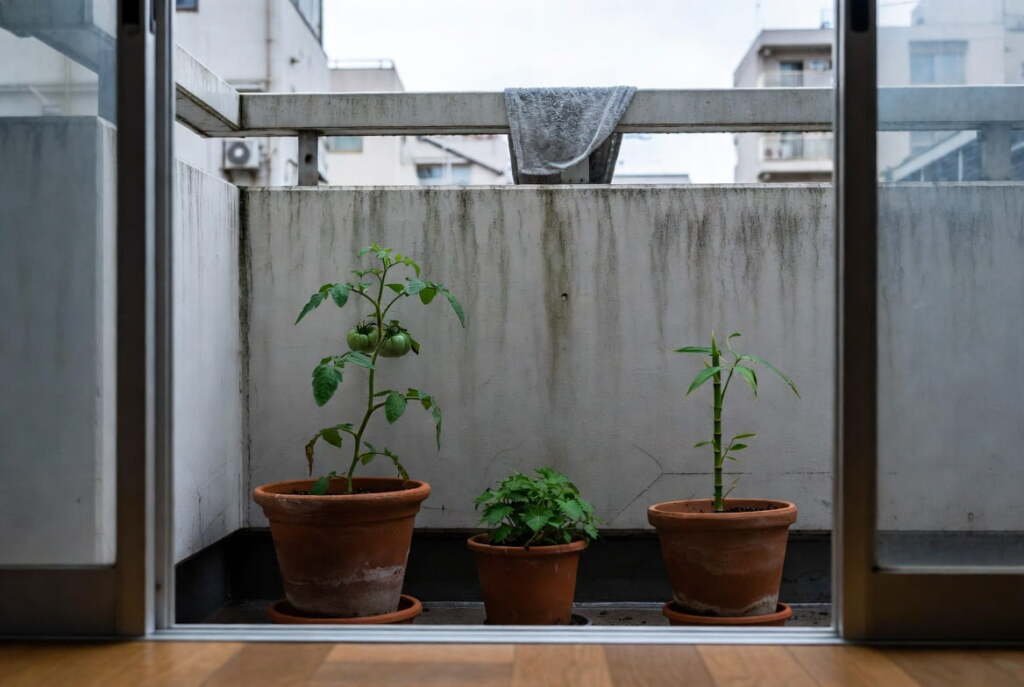
Urban agriculture is quietly booming in Japan. Rooftop gardens, balcony vegetable patches, and community growing plots are part of city life. Growing your own food reduces transportation emissions, cuts packaging waste, and connects you with where your meals come from. All of this, in some cases, from a few pots on a tiny Tokyo balcony.
How to Bring Japanese Minimalism Into Your Home
Good news — you don’t need to move to Japan. You just need a willingness to start small.
- Start with one room. Don’t try to overhaul your entire home at once. Pick your bedroom or living room first. Remove everything you haven’t used in six months. See how it feels.
- Choose furniture with purpose. Before buying anything new, ask: Does this do more than one thing? Does it create clutter or remove it? Multi-use pieces win every time.
- Bring in natural materials. Swap out plastic trays for wooden ones. Add a bamboo plant. Lay a woven mat. These small swaps shift the whole feel of a space.
- Let in light. Pull back heavy curtains. Move furniture away from windows. Let natural light do what it does best — make everything feel bigger and better.
- Add greenery. A small potted plant near a window brings life and calm into any room. Even one plant makes a difference. Try a peace lily, snake plant, or bamboo grass.
Cultural Lessons We Can All Learn
Mindfulness & Ownership
Japanese culture encourages you to think carefully before you own something. Not “can I afford this?” but “do I truly need this?” That shift in thinking changes everything. You stop accumulating stuff for comfort and start curating things for meaning.
The Art of Slowing Down
In Japan, the tea ceremony is an entire ritual built around slowing down and being present. That mindset spills into everyday life — from how homes are designed to how meals are eaten. A Japanese minimalist home isn’t just a space. It’s an invitation to slow down.
People Over Possessions
Perhaps the deepest lesson: Japanese culture has long valued relationships over things. Community, family, and shared experiences matter more than a full shopping cart. A home that reflects this — open, welcoming, uncluttered — naturally becomes a space for connection.
The Takeaway
A Japanese minimalist home is more than a design choice. It’s a philosophy. One that says: live with less, appreciate more, and tread lighter on the earth.
You don’t need to overhaul your life overnight. Start with one shelf. One room. One decision to let something go. Small changes, done consistently, add up to a life that feels genuinely different — calmer, cleaner, and more intentional.
Japan has been mastering this for centuries. Maybe it’s time we all took a lesson.
Explore our other blogs on sustainability