
Unique Eco-Friendly Gifts That Don’t Cost the Earth
Eco-friendly gifts are thoughtful, creative, and actually good for the planet. From handmade goods and seed bombs to experience gifts and DIY ideas, there’s something meaningful for every budget.
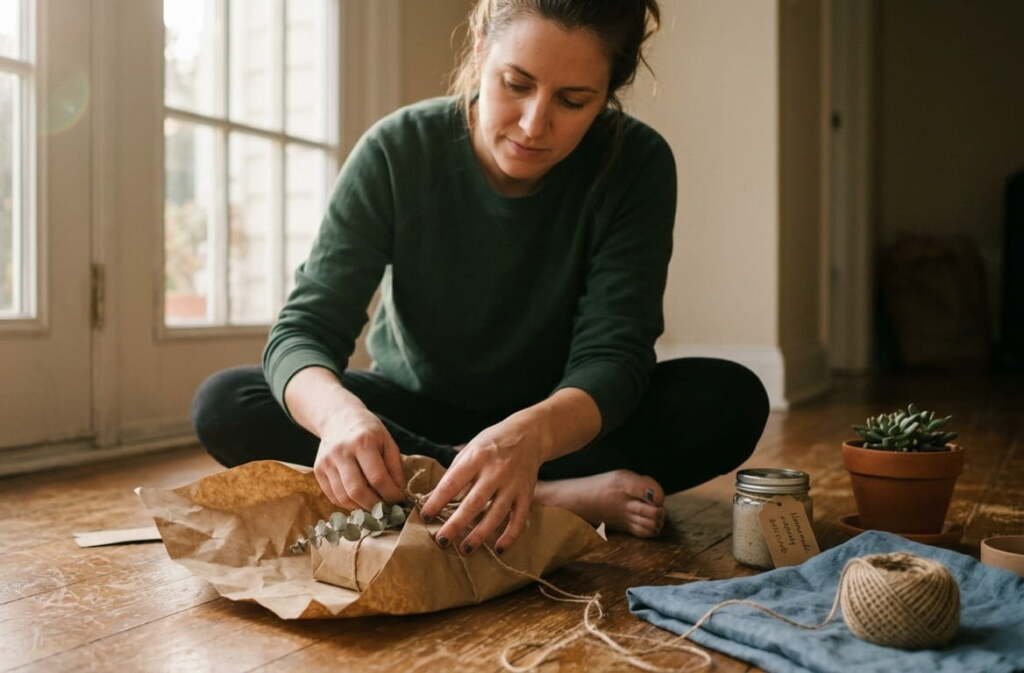
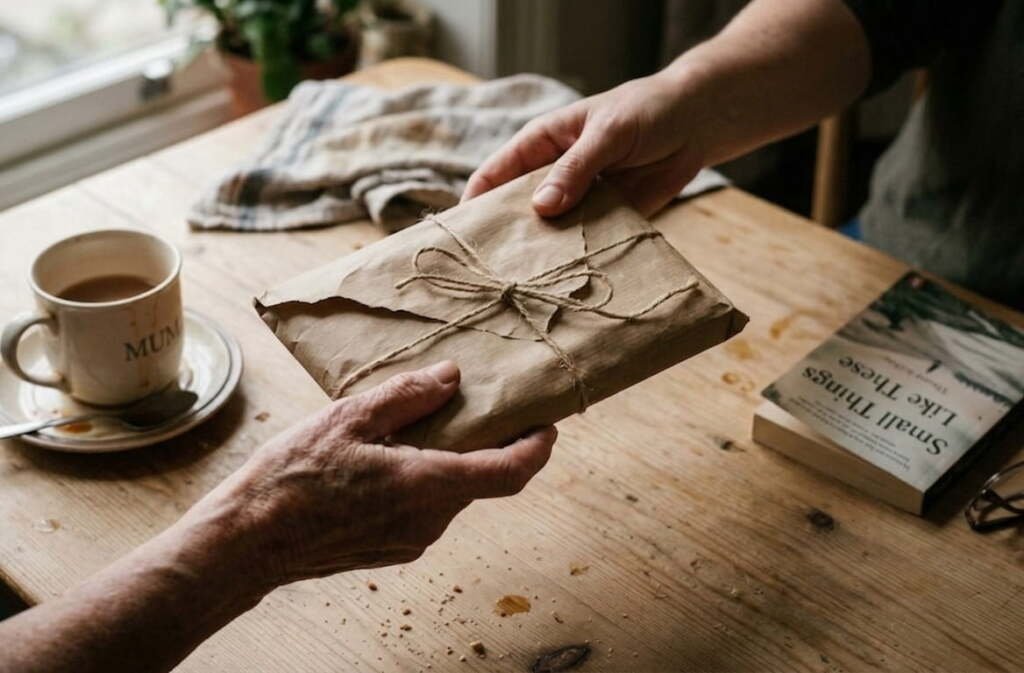
My cousin showed up to Christmas last year with a gift wrapped in an old road map, tied with a piece of twine, and inside was a jar of honey from a local beekeeper down her street. No Amazon box. No bubble wrap. No plastic ribbon curled within an inch of its life.
I still think about that gift. Not because it was expensive — it wasn’t. But because it felt like she actually thought about it. And yeah, it made me look at my own pile of last-minute panic purchases and feel a little embarrassed.
That’s the thing about eco-friendly gifts. When they’re done right, they’re not some compromise you make for the planet. They’re often just… better gifts.
So What Even Makes a Gift “Eco-Friendly”?
It’s a fair question, because the word gets slapped on everything these days. A bamboo toothbrush shipped from a warehouse on the other side of the world in polystyrene packaging isn’t exactly saving the planet.
A genuinely eco-friendly gift is one where you’ve thought about the whole journey — what it’s made from, how it was made, how it got to you, and what happens to it once it’s been used. That usually means natural or recycled materials, minimal packaging, ethical sourcing, and ideally some support for a small or local maker.
It doesn’t have to be perfect. It just has to be more considered than the default.
Worth knowing: The average person in the UK throws away 227,000 miles of wrapping paper every Christmas. That’s enough to wrap around the Earth nine times. Most of it goes straight to landfill.
Why it actually matters
Gifting is one of those moments where we have a real choice. We’re already spending money, already putting thought in — so why not point it somewhere useful? Choosing a sustainable gift supports smaller makers, reduces waste, and quietly nudges the person receiving it toward thinking a bit differently, too.
You’re not lecturing anyone. You’re just showing up with something that means a bit more.
Eco-Friendly Gift Ideas That People Actually Want
Let’s skip the reusable straw sets and the bamboo cutlery kits nobody asked for. Here are ideas that are genuinely thoughtful:
Handmade & upcycled
One-of-a-kind pieces from local artisans or makers’ markets
Plants & growing kits
Potted plants, seed bombs, and herb gardens for the windowsill
Eco subscriptions
Monthly boxes of sustainable products — the gift that keeps going
Experiences
Classes, workshops, day trips — no packaging needed
Handmade and upcycled: the good stuff
Something made by hand has a weight to it that mass-produced things just don’t. Not literally — though hand-thrown pottery can get pretty hefty. But you know what I mean. There’s a story behind it.
Etsy has a ton of brilliant sustainable makers, but honestly, your best bet is local. Craft markets, independent shops, makers on Instagram. You’ll find ceramics, candles, hand-dyed textiles, and jewellery made from reclaimed silver. Things you couldn’t find anywhere else. And you’re putting money directly in someone’s hands who made something with theirs.

Upcycled gifts are another level of satisfying. A tote bag sewn from an old parachute. A lamp made from a reclaimed wine bottle. Coasters cut from wine corks. Someone turned a throwaway thing into something genuinely useful, and now you’re giving that as a gift. That’s a good story.
Plants: the gift that’s still alive in six months
A potted plant outlasts pretty much any other gift you can think of. Candles burn down, chocolates get eaten, and flowers wilt in a week. A plant just keeps going. It cleans the air, brightens up a corner, and every time the person waters it, they think of you.
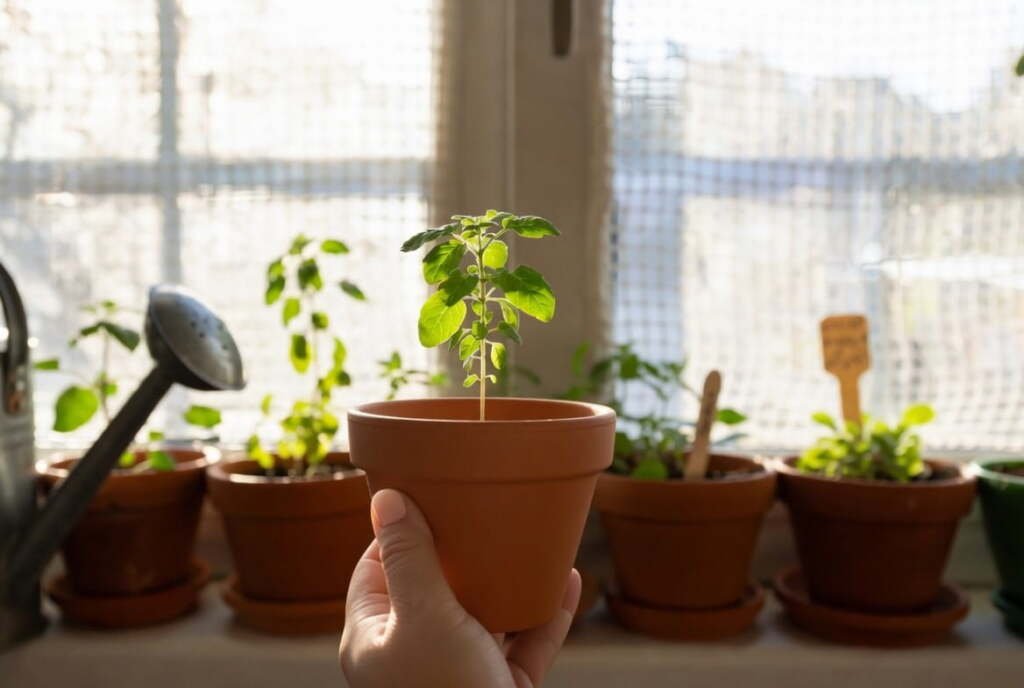
For someone who says they “can’t keep anything alive,” a cactus or succulent is genuinely unkillable. For someone who cooks, a little pot of fresh basil or rosemary is a gift they’ll use every week. Seed bombs are another fun one — you throw them in the garden, and wildflowers grow. Feels like magic, costs almost nothing.
“The best gift I ever gave was a lemon tree in a pot. Three years later, she’s still texting me photos of the lemons.”
Eco subscription boxes: the gift that arrives every month
Subscriptions get a bad reputation for being impersonal, but sustainable subscription boxes have genuinely changed the game. There are boxes for zero-waste beauty, organic food, ethical homeware, natural skincare — you name it. They’re curated, they’re often from small brands you’d never find otherwise, and they land on someone’s doorstep every month as a little reminder that you were thoughtful.
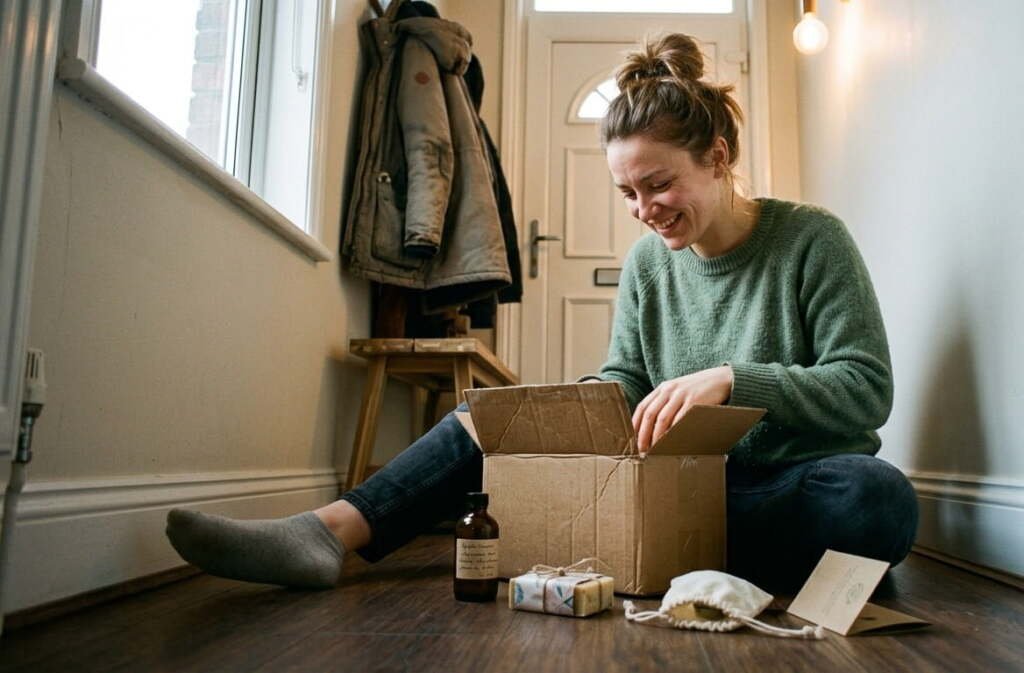
For someone trying to make greener choices but not knowing where to start, a subscription box is like a very friendly introduction. Low pressure, good products, no research required.
Experience gifts: nothing to wrap, nothing to throw away
This one is genuinely underrated. Book someone a pottery class, a bread-making workshop, a foraging walk in the woods, or a day trip to somewhere they’ve been meaning to go. You’re giving them time and a memory, and neither of those things ends up in a landfill.

Local is especially good here — a guided nature walk, a visit to a local museum, and an afternoon volunteering at a community garden together. These feel more personal than a generic voucher, and they often support local organisations that deserve it.
If You Want to Make Something Yourself
DIY gifts get dismissed as cheap, but that’s completely backwards. A homemade gift takes time and thought, and those are worth more than any price tag. Here are a few that actually work:
1. Beeswax candles — melt, pour into an old glass jar, and add a cotton wick. They smell real because they are real, unlike most shop-bought candles that are basically just scented paraffin.
2. Sugar body scrub — coconut oil, white sugar, a few drops of whatever essential oil they love. Spoon it into a clean glass jar. Takes ten minutes. Looks and smells like something from a spa.
3. Seed paper cards — handmade paper embedded with wildflower seeds. The person reads your card, then plants it. Genuinely one of the nicest things you can give someone.
4. Old t-shirt to tote bag — cut off the sleeves, cut fringe along the bottom, tie the fringe in knots. Done. No sewing. Costs nothing. Actually useful.
The carbon footprint of a homemade gift is almost zero. The sentimental footprint is enormous. Do the maths.
Getting the Gift Right for the Person
The most sustainable gift is still a bad gift if it doesn’t suit the person. Being eco-conscious doesn’t mean ignoring who you’re actually buying for. A keen gardener is going to love a seed kit. A skincare person is going to appreciate handmade soap. Someone who never cooks probably doesn’t need an herb-growing kit.
Think about what they actually enjoy, then find the sustainable version of that. It’s not a compromise — it’s just thoughtful gifting with an extra layer of care.
What you wrap it in matters too
You’ve chosen a brilliant, sustainable gift. Don’t wrap it in glossy plastic paper that goes straight in the bin. These are all better options, most of which you already have at home:
- Old maps or newspapers
- A linen tea towel
- Furoshiki cloth wrap
- Brown kraft paper
- A scarf or fabric offcut
- Seed paper tags
- Beeswax wraps
A tea towel wrapped around a handmade candle, tied with natural twine — that’s two gifts in one, and it took you about forty seconds. That’s the kind of thinking that impresses people.
A tea towel wrapped around a handmade candle, tied with natural twine — that’s two gifts in one, and it took you about forty seconds. That’s the kind of thinking that impresses people.
Bottom Line
Here’s what it comes down to: eco-friendly gifting isn’t about being perfect or preachy. It’s about putting a bit more thought into something you were going to do anyway.
You don’t need to overhaul your entire approach. Start with one gift. Make it handmade, or local, or experiential, or wrapped in something reusable. See how it lands.
My bet? It lands better than anything from the usual panic shop. Because the best gifts don’t cost the earth — in every sense of that phrase. 🌿
Explore our other blogs on sustainable lifestyle