
Why Burlap Sacks Are The Absolute Best Choice For Eco-Packaging
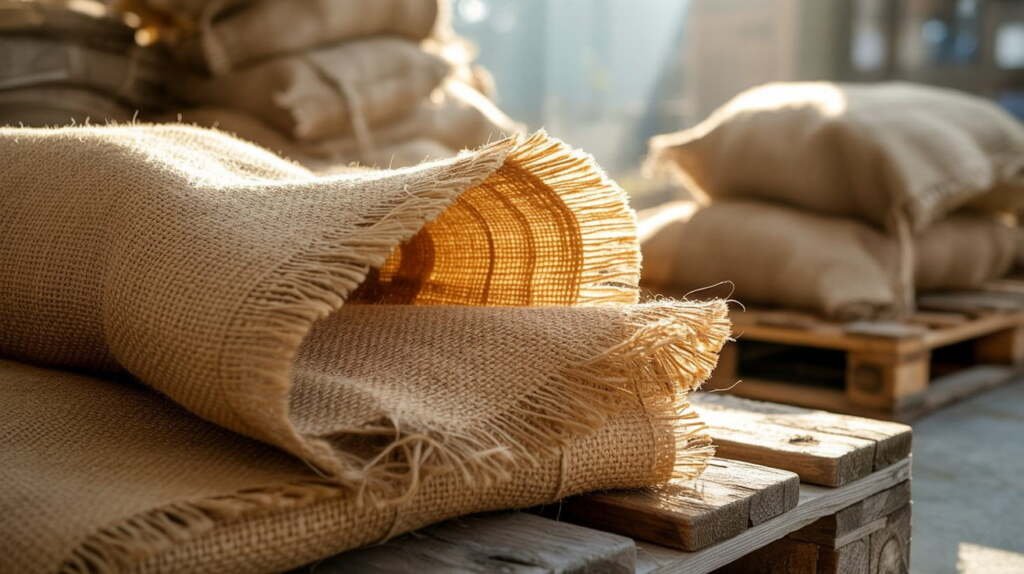
Let’s be honest: the “plastic-free” movement isn’t just a trend anymore—it’s a business mandate. If you’re in the B2B space, you’ve probably felt the pressure to swap out those shiny polymer bags for something that doesn’t sit in a landfill for 500 years. But here’s the million-dollar question: How do you go green without your packaging falling apart or your margins disappearing? Enter the humble burlap sacks. They are rugged, they are timeless, and quite frankly, they are the hardest-working materials in the world of eco-friendly packaging.
What Exactly Are Burlap Sacks? (More Than Just a Potato Bag)
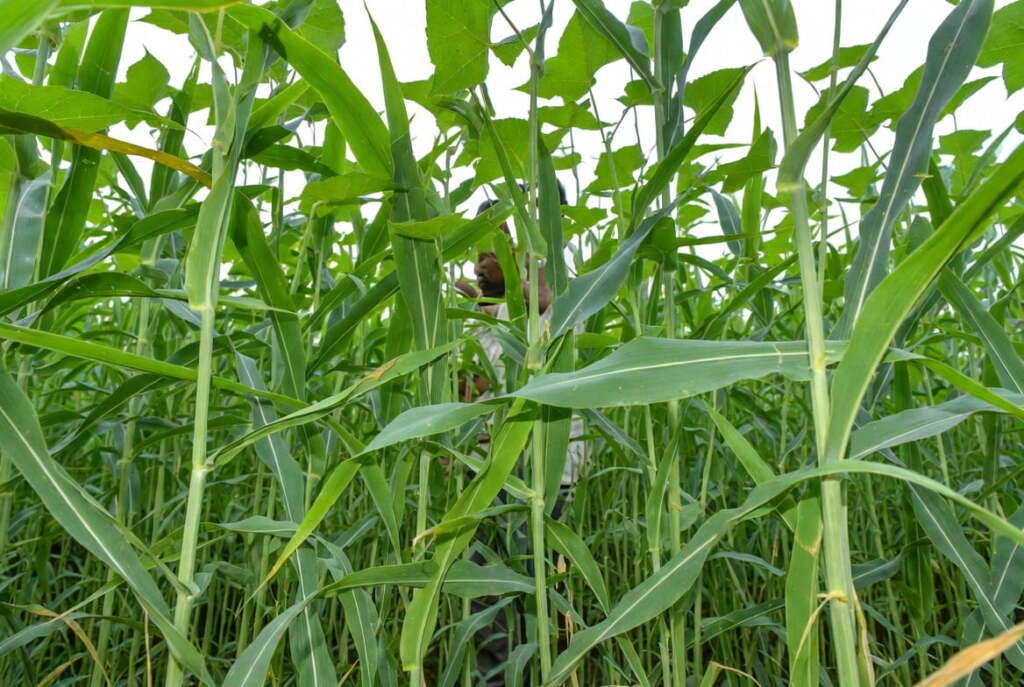
Before we talk business, let’s clear up the lingo. Whether you call it Hessian or Jute, burlap is a coarse, woven fabric made from the skin of the jute plant.
It’s been around for centuries, and for good reason. Unlike synthetic fibers that require a chemical cocktail to produce, burlap is a gift from nature. It’s grown primarily in South Asia, requires very little water, and actually absorbs more CO2 than it produces. In the world of sustainable packaging solutions, that’s what we call a win-win.
Why Burlap Sacks Wins: A Clear Breakdown
Sustainability That Actually Counts
Most “eco-friendly” plastics are just marketing fluff. Burlap is the real deal. It is 100% biodegradable and compostable. When your customer is done with a burlap sack, they can literally bury it in the garden. For a brand looking to lower its carbon footprint, this is the ultimate “zero-waste” story to tell your stakeholders.
Durability Of Jute Sacks: Built for the Long Haul
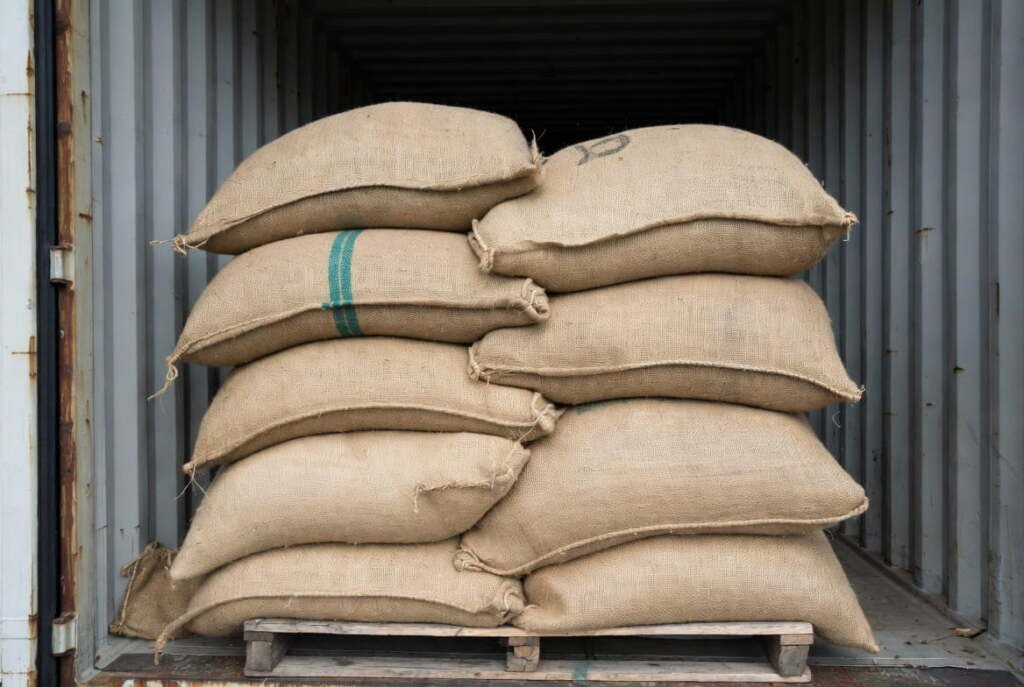
In wholesale logistics, “fragile” is a dirty word. You need heavy-duty shipping supplies that can handle a forklift, a cargo ship, and a warehouse floor. Jute sacks have incredible tensile strength. It doesn’t tear easily, it breathes (which prevents moisture buildup and mold in agricultural products), and it holds its shape under pressure.
Versatile Use Of Burlap Sacks
Think burlap is just for coffee beans? Think again. We’re seeing a massive shift in industries like:
- Agro-Exports: For grains, nuts, and seeds.
- Construction: For flood control and sandbags.
- High-End Retail: For “rustic-chic” gift packaging and subscription boxes.
- Hardware: For heavy metal parts and tools.
The Bottom Line: Cost-Effectiveness
“Green” usually means “Expensive.” Not here. Because burlap is made from a fast-growing plant and requires minimal processing, it remains one of the most affordable wholesale packaging options on the market. Plus, because they are so durable, many businesses find they can be reused multiple times throughout the supply chain, slashing their long-term overhead.
Burlap Sacks Increase Brand Appeal
Let’s talk psychology. When a buyer sees a burlap bag, they immediately think: Organic. Authentic. Quality. It gives your product an artisanal feel that plastic simply cannot replicate. In a world of over-processed everything, the rustic aesthetic of jute stands out on a shelf (and in a shipping container).
Transitioning Your Supply Chain (The Easy Way)
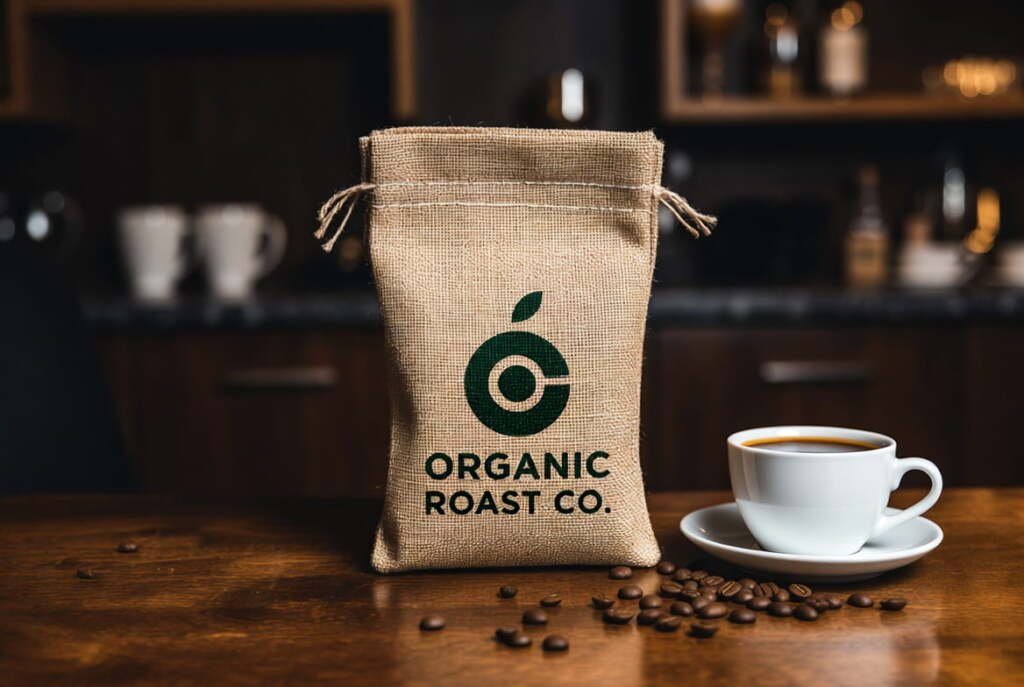
Making the switch doesn’t have to be a headache. Start small. Test a specific product line first. When you’re sourcing, look for reliable jute manufacturers who understand export standards and can offer customization like custom logo printing.
A common myth? “Burlap is too messy.” Pro Tip: If you’re shipping fine powders or delicate textiles, you can easily use a food-grade liner inside the sack. You get the strength and look of the burlap with the protection of a liner.
Real-World Success: It’s Already Happening
We’ve seen massive coffee roasters and artisanal grain suppliers trade in their multi-layer plastic bags for burlap. The result? A 20% increase in brand sentiment and a significant reduction in packaging waste penalties. Customers aren’t just buying the product; they’re buying the commitment to the planet.
As per the Verified Marketing Report, the Burlap Packaging Market size was valued at USD 4.5 billion in 2024 and is projected to reach USD 7.2 billion by 2033, exhibiting a CAGR of 6.2% from 2026 to 2033.
Ready to Upgrade Your Packaging Game?
If you’re tired of thin, flimsy plastic and want to move toward a more resilient, circular economy model, we should talk.
At the end of the day, your packaging is a handshake with your customer. Why not make it a firm, honest, and eco-friendly one? I specialize in supplying high-quality, wholesale burlap sacks designed to meet the demands of international trade. Whether you need specific dimensions or custom branding, I’ve got the inventory and the expertise to help you make the switch seamless.
Let’s get your supply chain green. Connect with Habitat Cultures for a quote or a sample!