
Why Being Eco-Conscious Is No Longer Optional — It’s How We Survive
Being eco-conscious is one of those phrases that gets thrown around a lot. Sometimes it feels like a luxury — something for people with fancy reusable water bottles and a kombucha habit. But the truth is far simpler, and far more urgent, than that. Let’s talk about it like real people.

Here’s a number that stopped me cold: every single minute, a truckload of plastic is dumped into the ocean. Not a day. Not an hour. A minute. That’s happening right now, while you’re reading this.
And here’s what nobody tells you — the way we live, shop, eat, and even scroll the internet is quietly connected to that number. Which sounds heavy. But honestly? It’s also the most hopeful thing, because it means what we do actually matters.
Small choices. Big impact. Here’s the truth about what it means to live with the planet in mind.
So, What Does “Eco-Conscious” Actually Mean?
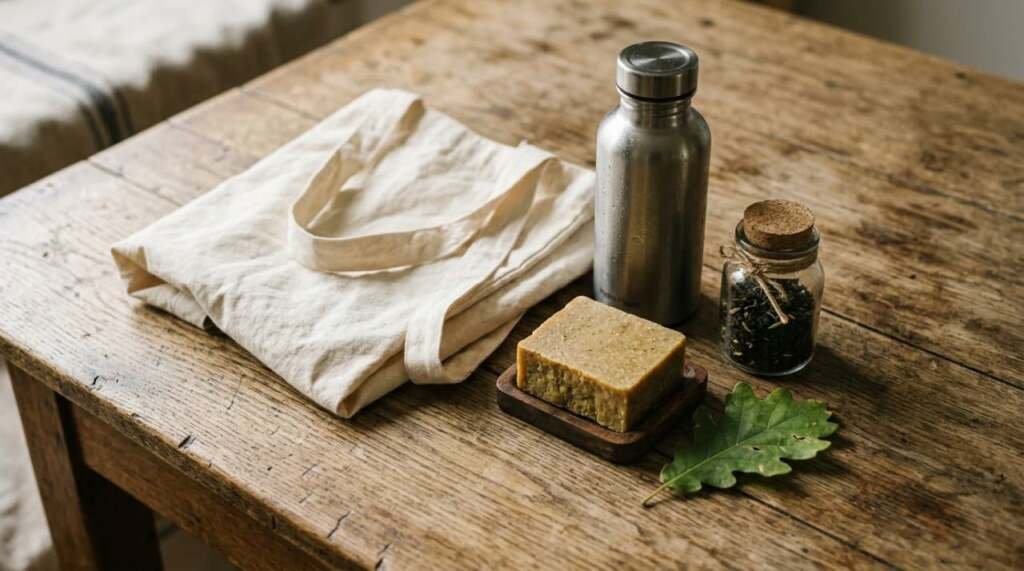
Simply put, being eco-conscious means making choices with the environment in mind. Not perfect choices — just more aware ones. It’s noticeable that the coffee cup you grabbed this morning will outlive your grandchildren. It’s choosing a tote bag over a plastic one. It’s turning the tap off while brushing your teeth.
It is not about going off-grid, giving up meat forever, or spending a fortune on organic everything. That version of eco-conscious life lives only on Pinterest. The real version? It fits into your actual Monday morning.
And here’s the part most articles skip: eco-consciousness isn’t just about the planet. It’s about how we want to live — as individuals, as communities, as cultures. That’s exactly what we care about here at Habitat Cultures. The way our daily choices shape the spaces, relationships, and future we’re building together.
Did you know?
Over 75% of consumers globally now use reusable shopping bags regularly — and 59% recycle. Eco-conscious behaviour is becoming the norm, not the exception. You’re already part of this shift.
What Happens If We Keep Ignoring It?
Let’s be real for a second — not doom-and-gloom real, just honest.
Climate change isn’t a future problem anymore. It’s the reason your summers are hotter, your grocery bills are higher, and floods are hitting places that never flooded before. Every degree of warming has a price tag attached to it — and we’re all paying it, whether we signed up or not.
Then there’s resource depletion. We’re using resources faster than the Earth can replenish them. Freshwater is getting scarce in regions that never worried about it. Forests — which quite literally give us the air we breathe — are disappearing at staggering rates. This isn’t an environmental issue in isolation. It’s a food security issue, a health issue, a livelihood issue.
And biodiversity loss? Here’s why you should care even if you’re not a nature person: one in three bites of food you eat exists because of pollinators like bees. When species disappear, the whole web we depend on starts to unravel. Quietly. Gradually. And then, not so quietly.
"We don't need a handful of people doing eco-conscious living perfectly. We need millions of people doing it imperfectly."
“But Does My Single Choice Even Matter?”
This is the question, isn’t it? You’ve probably thought it. I’ve thought it. We all have.
Here’s the answer: yes — and here’s why it’s not naive to believe that. When consumers shifted away from plastic straws, entire product categories changed. When people started buying secondhand, the global thrift market grew three times faster than the regular clothing market. In fact, purpose-driven brands now grow three times faster than their competitors — because buyers are voting with their wallets every single day.
Your choice doesn’t happen in a vacuum. It sends a signal. Businesses follow demand. Policies follow businesses. One reusable bottle quietly triggers a supply chain conversation. That’s not an exaggeration — that’s how markets work.
Moreover, there’s something personal in it, too. Living more eco-consciously tends to reduce stress, cut unnecessary spending, and create a sense of purpose that’s genuinely hard to find elsewhere. It turns out, living lighter feels good.
60%
of consumers say climate concerns have grown in the last 2 years
81%
of Gen Z are willing to pay more for eco-friendly products
3×
faster growth for purpose-driven brands vs competitors
6 Eco-Conscious Habits That Take Under 5 Minutes
No guilt. No overwhelm. Just seven things you can actually start today — picked for real life, not a lifestyle magazine.
- Keep a tote bag by your front door
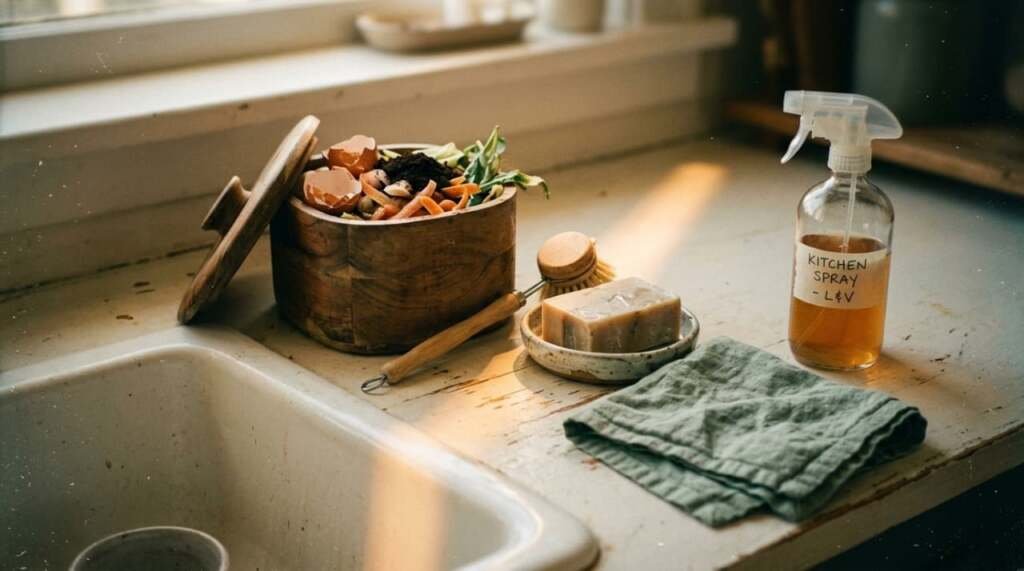
You’ll never forget it again. One tote replaces roughly 500 plastic bags a year. That’s a drawer you don’t have to stuff full of crinkly plastic anymore, too. - Switch to a reusable water bottle
Stainless steel or glass — pick one you genuinely like carrying. In 2025, a good bottle is both an eco-friendly choice and a style statement. Win-win. - Turn off the tap while brushing
Two minutes of running water per brush = nearly 3,000 litres a year wasted per person. Flip it off. It takes zero effort and adds up enormously. - Unplug chargers and devices when not in use
Standby power quietly drains energy 24/7. Unplugging when you’re done is the lazy person’s energy hack — and it shows up on your electricity bill. - Add one plant-based meal per week
You don’t have to go vegan. Just one swap a week — a lentil curry, a veggie stir-fry — meaningfully reduces your food’s carbon footprint without sacrificing anything delicious. - Support one local or sustainable brand
Every purchase from a business that prioritizes sustainability helps shift market demand. It’s not charity — it’s choosing where your money does its best work.
Quick tip
Don’t try all six at once. Pick one. Do it for two weeks until it feels automatic. Then add another. Sustainable change — personal or planetary — works the same way. Slowly, then suddenly.
Here’s Your Challenge This Week
Eco-conscious living isn’t a personality type. It’s not a subscription box or a political stance. It’s a quiet, ongoing decision to pay attention to what we buy, what we waste, and what kind of world we’re quietly building through those choices.
At Habitat Cultures, we believe the spaces we inhabit — our homes, our communities, our environments — reflect who we are. And honestly? We think the people who read this far care enough to make something shift.
So here’s the one thing we’re asking: pick one habit from the list above, and try it this week. Not because the planet will be saved by Tuesday — but because you’ll feel better for it. And because millions of people are doing that same small thing, imperfectly and consistently, it is exactly how real change happens.
Which habit will you start with? Drop it in the comments — we’d genuinely love to know.