
Adding eco-friendly items to your product line is no longer a trend; it’s a necessity. Sustainable product sourcing is more than just a “green” initiative—it is shaping modern global trade standards. If you are a new buyer looking to navigate your first shipment, or an experienced importer seeking eco-friendly product suppliers to scale trade with ethics, understanding the sourcing process for wholesale eco-friendly products is crucial. This guide explains how to source eco-friendly products from wholesalers while avoiding risks and ensuring long-term sustainability.
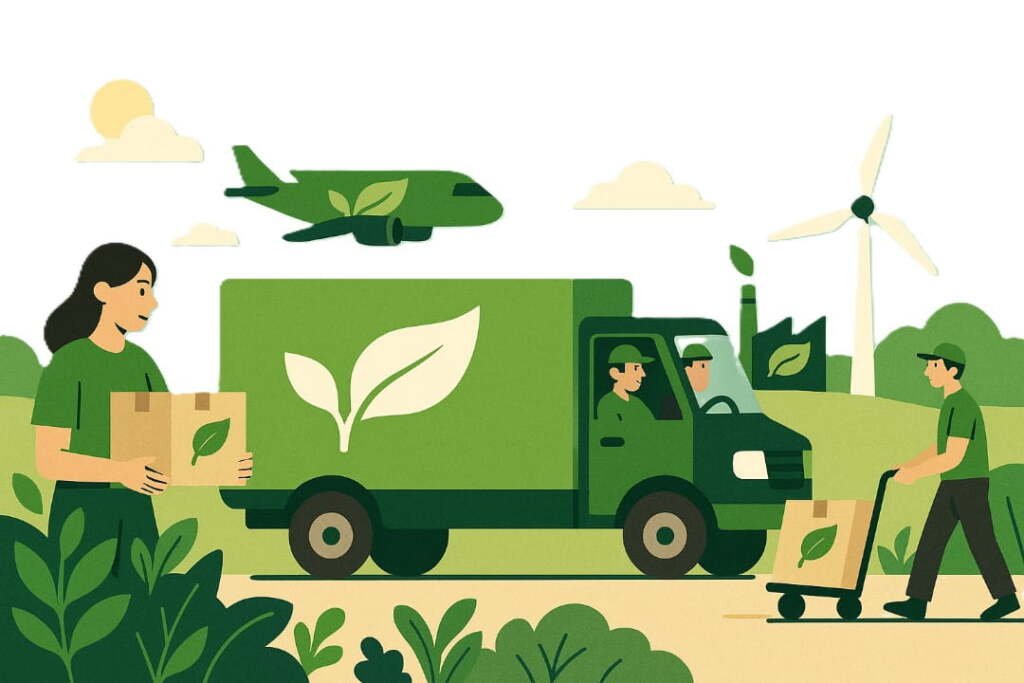
However, sourcing is not just about buyers; both buyers and suppliers play a vital role in conducting a successful business transaction that meets global trade standards. This writing offers clear guidance for both parties, covering areas such as supplier verification, documentation for international trade, logistics, avoiding scams, and future market trends.
That’s why Habitat Cultures was born; it’s more than a reliable wholesale partner. This brand focuses on providing planet-friendly products worldwide to meet the global demand. Also, as a wholesaler, it’s our responsibility to share insightful information about an eco-conscious lifestyle, ethical sourcing for businesses, and ensuring effective business operations.
Why Eco-Friendly Items Sourcing Matters in Global Trade
Ethical sourcing in global trade ensures that environmental responsibility and human rights are respected across the supply chain.
Social And Environmental Responsibility
Every transaction in global trade has a responsible supply chain reaction. By choosing a sustainable supplier, buyers support:
- Eco-friendly materials like jute, organic cotton, bamboo, and seagrass are good for the environment and health.
- Artisans and farmers can get fair wages, especially in developing countries.
- Implementing labor compliance protocols to reduce child labor risks and unsafe working conditions.
Let’s take an example, replacing a plastic bag with a jute bag is not only good for the planet and human health, but also supports businesses related to this and encourages its users to a healthy lifestyle.
Rising Market Demand
Is eco-consciousness a niche? Well, not really, it’s mainstream now. Due to the rise of global warming, the consumption pattern is shifting to eco-friendly products. Have a look at some figures:
- According to the Nielsen Report 2025, 80% of global consumers are now willing to pay more for eco-friendly products.
- The global sustainable products market is projected to exceed $150 billion by 2030.
Ignoring these numbers can be risky of being left behind.
Business Risks of Ignoring Sustainability
Heavy consequences of failing to embrace sustainability:
- Regulatory penalties → Many countries (like the EU) now require proof of sustainable sourcing for imports.
- Reputation loss → Brands caught greenwashing face customer backlash.
- Financial loss → Buyers dealing with unreliable suppliers risk delays, fraud, and seized shipments.
The Role of Eco-Friendly Products Wholesaler
Suppliers are beyond just product providers; they are also strategic partners. A business’s success depends on its suppliers’ values, documentation, and transparency. Choosing an experienced eco-friendly products wholesaler helps buyers ensure compliance, quality control, and ethical sourcing standards.
Certifications
- GOTS (Global Organic Textile Standard) for organic cotton and textiles.
- Fair Trade for ethically produced artisan and agricultural goods.
- ISO Environmental Standards for verified sustainability management systems.
Those papers work as proof of recognizing verified sustainable suppliers.
Full Transparency
- Clear disclosure about sourcing raw materials.
- Labor practices and worker welfare
Supplier transparency builds trust; it ensures buyers that products are real, not “greenwashed”.
Eco-Conscious Packaging & Delivery
It doesn’t mean that sustainability ends with the production, but it extends to packaging and shipping too. Responsible suppliers follow sustainable manufacturing practices, and eco-friendly packaging is one of them. This helps reduce the environmental footprint.
- Selecting recyclable packaging materials.
- Following zero-waste policies.
- Although it’s difficult, choosing the carbon-neutral shipping options.
As a buyer, always try to partner with those suppliers who prioritize those qualities.
Step-by-Step Guide on How To Source Eco-Friendly Products
Understanding how to find eco-friendly suppliers is the foundation of successful and ethical sourcing. Understand the following steps:
Step 1: Identifying The Reliable Supplier
The sourcing process of eco-friendly products begins with identifying a trustworthy, reliable supplier. With the growing demand in this business segment, many suppliers have entered the market, but not all maintain the standard quality of products and business practices. That’s why importers/buyers must take time to carefully research and evaluate suppliers before closing any deal.
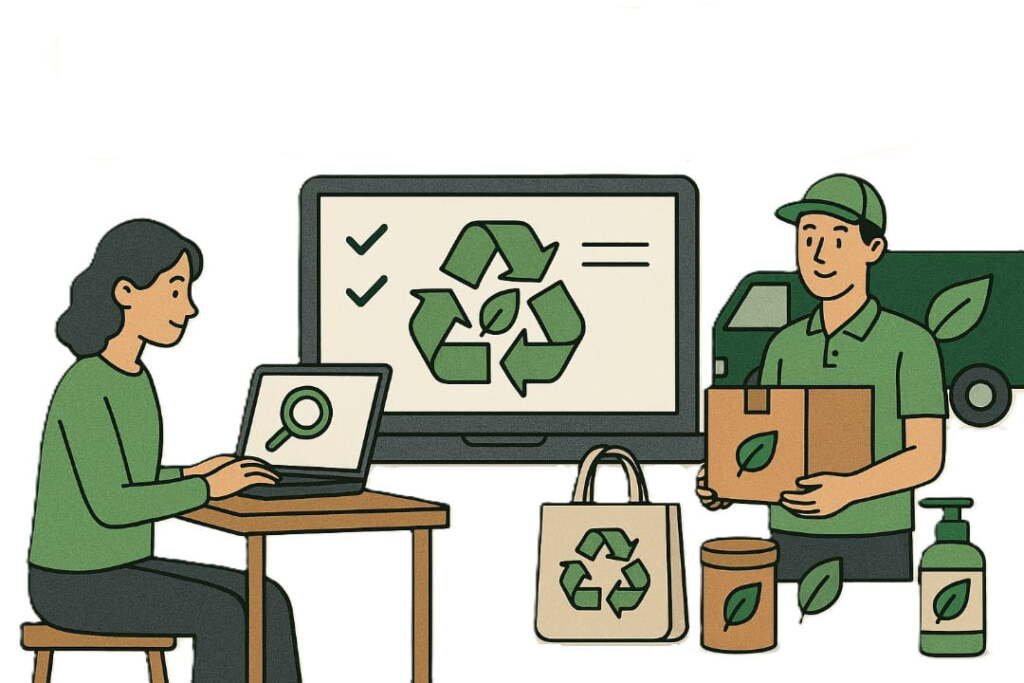
There are various ways to find the right suppliers for your business. One effective way is to find sustainable wholesale suppliers from B2B platforms such as Alibaba, Global Sources, TradeIndia, or ThomasNet. Over thousands of buyers are listed on these platforms with proper filtering. You can easily consider specialized suppliers in eco-friendly products like jute bags, bamboo toothbrushes, seagrass baskets, or coconut bowls. Some advice for using these platforms: always look for suppliers with verified badges, reviews from past shipments, and certifications.
Besides online platforms, attending International Trade Fairs is a great opportunity to connect directly with sellers. Events like the Canton Fair in China, Ambiente in Germany, or the Ethical Fashion Show in Europe showcase suppliers of eco-friendly products from around the world. You can inspect products by yourself, and it can help build trust as you meet the supplier face-to-face.
Many suppliers promote their business through digital marketing. Buyers can discover suppliers on search engines and various social media platforms. When evaluating a potential partner, this digital presence can be another reliable indicator.
Step 2: Understanding Legal & Trade Documentation
New buyers often stumble due to documentation. Missing papers can cause risks as seized shipments, penalties, or fraud losses.
Essential Documents For International Trade
- Commercial Invoice – According to DHL, A commercial invoice is a specialized export document that acts as a customs declaration for goods crossing international borders. It details the items being shipped, their value, and the transaction between the buyer and seller.
- Packing List – A document about packaging numbers, specific weights of product, and shipment details. In this paper, the price of products is not mentioned in the commercial invoice. But it serves as a reference for customs officials, freight forwarders, and buyers to verify that the items shipped match the order.
- Bill of lading (B/L) – Bill of lading is one of the crucial documents in global trade. This paper is the proof of shipment and ownership. Three major purposes of (B/L): it acts as a receipt confirming the cargo has been received, a document of title that gives the holder ownership of the goods, and a contract of carriage that outlines the terms and conditions of transportation.
- Certificate of Origin (COO) – It is an official trade document that verifies the country. Basically, a certificate of origin confirms the nationality of the products in global trade.
To avoid a delay in clearance, recheck HS codes and required documents. For a better understanding, you can consult a licensed customs broker.
Step 3: Considering Shipping Methods & Customs Efficiently
Choosing the Right Freight Option
- Air freight: Ideal for urgent, small shipments, but very expensive. (e.g., samples, retail-ready goods).
- Sea freight: Cost-efficient for bulk shipments. It takes a long time to get the goods. (e.g., cartons of jute bags).
Always prefer the one that fits with your business policy. Some suppliers recommend LCL(Less than Container Load) shipping, which is ideal for small buyers and cost-saving.
Partnering With Green Logistics
Nowadays, many forwarders offer carbon-neutral freight, which is not harmful to the environment. This appeals to eco-conscious retailers.
Customs Clearance Tips
- Pre-submit documents to brokers before arrival.
- Avoid suppliers who under-declare values (illegal and risky).
- Track clearance digitally to prevent scams.
Avoiding Scams In Sourcing Eco-Friendly Products
The word sustainability has become a buzzword that some dishonest business owners are taking advantage of. As demand for eco-friendly products grows, so does the number of scams. Fraud suppliers charge good prices without delivering the promised value to buyers. This can hamper both sides, as reliable suppliers and buyers, as it’s a barrier to building trust. To avoid costly mistakes, a buyer should understand common scams in the market, learn to verify suppliers, and adopt safe payment practices.
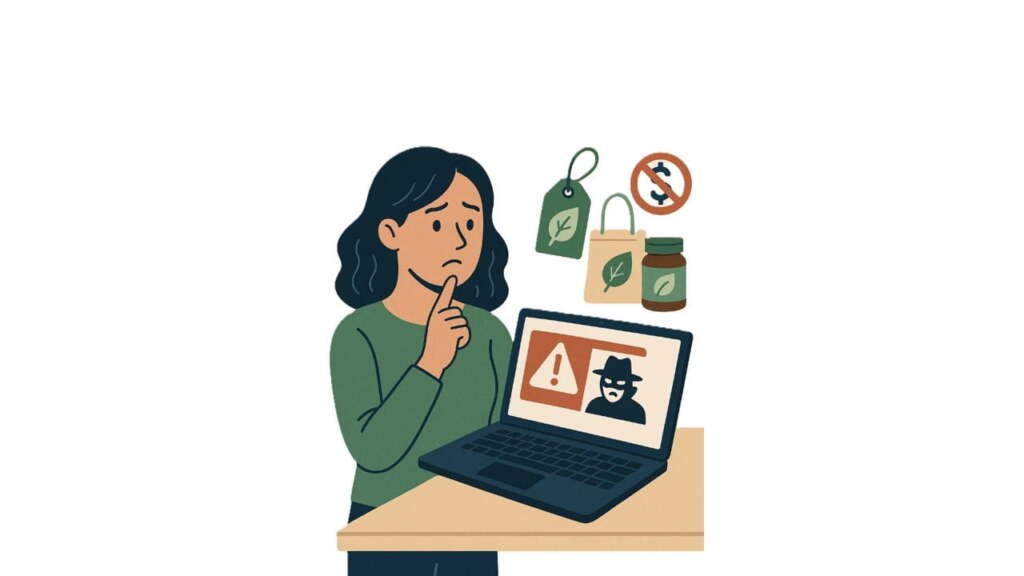
Common Scams in Eco-Friendly Trade
Underweight shipments are one of the known scams in international trade. Suppose an exporter may agree to supply 5,000 jute bags, but the shipped quantity is much lower than the number mentioned in the documents, or the actual weight is reduced despite charging for the full order.
This fraud often occurs in large-scale transactions, and it is too late to catch these minor discrepancies.
The common, widespread trick is fake eco-certifications. Some fraudulent suppliers often use Photoshop to create certificates for export. Buyers who fail to verify these scams can cost them a lot.
Buyers can cross-check certification directly through the certifier’s website to ensure if this is a genuine supplier or not.
Here comes the most deceptive tactic in the eco-friendly products business: Greenwashing. Without any real proof, suppliers can market their product by addressing “eco-friendly”. For example, plastic-based goods can be labeled as planet-friendly or biodegradable even though they don’t contain a single organic matter, which is harmful to the environment and the human body. Greenwashing not only cheats buyers but also is a crime for damaging society. It can destroy the brand’s credibility when consumers unveil the truth.
Best Practices Of Supplier Verification
As we mentioned earlier, you can check the certification’s validity through the certifier’s website.
Next, check official registries, such as a Chamber of Commerce or export council in the supplier’s country. This will verify the company’s existence and trading history. Buyers can also request live video tours of production facilities. A legitimate supplier will be transparent and willing to show you around in real time.
Safe Contracts & Payment Methods
Even with verification, buyers should protect themselves with strong contracts and safe payment methods. For big orders, a Letter of Credit (LC) or Telegraphic Transfer (TT) is commonly used. Payment only releases once all conditions are met. For smaller transactions, escrow services offer similar protection, holding funds until you confirm delivery.
Also important is to define quality standards in contracts—from material specs to packaging standards. By doing this, it would be documented rather than verbal promises, which can’t be broken.
By confirming due diligence, proper documentation, and secure payment methods, buyers can minimize risks, protect their investment, and build long-term and reliable business relations in sustainable sourcing.
Top Eco-Friendly Products Buyers Should Consider
High-Demand Eco-Friendly Products
- Jute Shopping Bags – Durable, biodegradable, and stylish, jute bags are a sustainable alternative to plastic, perfect for retail, groceries, and promotional use.
- Eco-friendly Baskets – Whether it is made from seagrass, jute, or cane, this product should be included in your product line. For household use or decorative purposes, eco-conscious consumers love this item.
- Bamboo Straws – The best eco-friendly replacements for single-use plastics, naturally reusable and compostable, bamboo straws are ideal for cafés, restaurants, and eco-conscious households.
- Organic Cotton Textiles – From clothing to home décor, organic cotton offers softness and strength without harmful chemicals, making it safe for people and the planet.
- Coconut Bowls – Made from reclaimed coconut shells, these bowls transform waste into beautiful, functional tableware that’s popular with health-conscious and zero-waste lifestyles.
Zero-Waste Packaging
One of the most noticeable trends is zero-waste packaging. As people are turning more towards consciousness and the banning movement of plastic raises, businesses are switching to biodegradable and compostable alternatives. Plant-based fillers, biodegradable wraps made from cornstarch, are becoming popular packaging.
For example, big retailers like IKEA and Amazon have rejected non-recycling packaging altogether. They set a standard that small businesses can follow. Wholesale buyers should look for suppliers who can deliver goods in a sustainable package.
Reusable Lifestyle Items
Another trend we can notice is the booming market for reusable lifestyle products. Consumers worldwide are not accepting disposable products, creating huge demand for this market.
- Reusable water bottles made from stainless steel or bamboo.
- Beeswax wraps are an alternative to plastic cling film.
- Single-use plastics are being replaced by cloth shopping bags.
- Cafés and hospitality businesses are now preferring eco-friendly straws, cups, and utensils.
Statista Report says, the reusable household products market is projected to grow by 10–12% annually over the next five years.
Closing Words
Sourcing eco-friendly products is not as complicated as it seems. If you go through the right approach, it becomes a smoother and more rewarding process. It needs:
- Partnering with the right supplier
- Proper documentation ensuring
- Managing logistics smartly
- Protecting against scams
Whether you choose Habitat Cultures or another eco-friendly supplier, the key is to prioritize transparency, compliance, and long-term trust.