
Are Coconut Bowls Microwave Safe? (The Truth About Your Eco-Friendly Favorites)
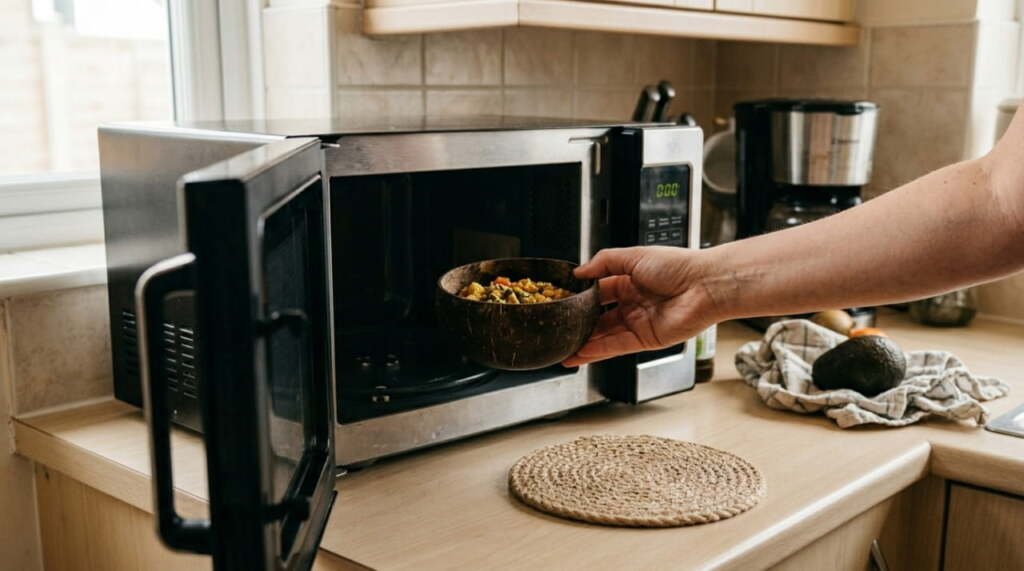
If you’ve recently upgraded your kitchen with sustainable product, you’ve likely wondered: Are coconut bowls microwave safe? While these natural beauties are perfect for chilled smoothies, using them in the microwave can be a recipe for disaster
But then comes the Monday morning rush. You’ve got leftovers from last night’s veggie stir-fry, or maybe your morning porridge has gone a bit cold. You reach for the microwave, bowl in hand, and then you pause.
“Wait… are coconut bowls really safe for the microwave?”
It’s a question every natural home decor lover eventually asks. Today, we’re going to settle this once and for all. We’ll dive into the science of thermal shock, how to keep your bowls from cracking, and some fun ways to use them that don’t involve high voltage.
What Exactly Are Coconut Bowls?
Before we talk about the heat, let’s talk about the heart of these bowls. Most natural coconut bowls are a masterclass in upcycling. Every year, billions of coconut shells are discarded as waste after their oil and water are harvested.
The global shift toward sustainable living has sparked a massive trending coconut bowls movement among eco-conscious foodies and interior stylists. This surge in popularity isn’t just about the “look”; it’s about a collective commitment to replacing plastic with earth-friendly alternatives.
Artisans “rescue” these shells, sand them down until they’re smooth, and polish them with organic coconut oil. The result? A biodegradable kitchenware piece that’s 100% natural.
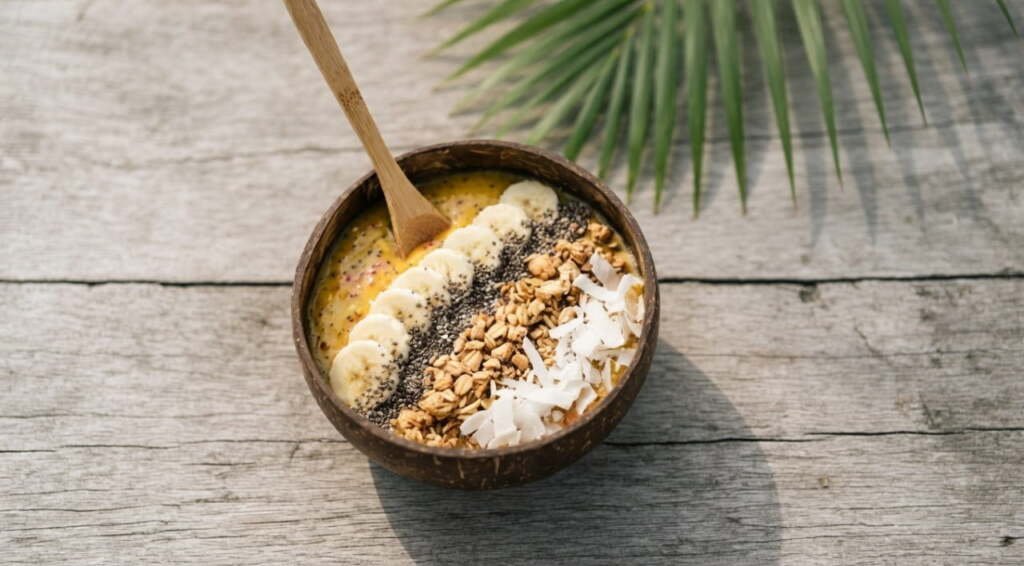
Why the World Is Obsessed With The Coconut Bowl:
- Eco-Friendly Choice: You’re literally turning waste into a treasure.
- Unique Aesthetics: No two bowls are the same. Each has its own grain and “personality.”
- Lightweight & Versatile: They are surprisingly durable for daily use—as long as you treat them right.
The Million-Dollar Question: Can You Microwave Them?
I’ll give it to you straight: No, coconut bowls are not microwave safe.
I know, it’s a bummer. But here is the “human” reason why. Think of your coconut bowl less like a ceramic plate and more like a piece of wood. Coconut shells are made of organic fibers that contain microscopic amounts of moisture.
The Science Behind Why Coconut Bowls Are Not Microwave Safe
When you put a reclaimed coconut shell in the microwave, the radiation vibrates the water molecules inside the shell’s fibers. This creates a rapid build-up of steam and pressure. Because the shell is rigid, it doesn’t have room to expand.
The result? Thermal shock. Your beautiful bowl might survive the first 30 seconds, but eventually, you’ll hear a loud crack. That’s the sound of the fibers splitting under the pressure.
The Risks: What Happens If You Hit “Start”?
If you decide to brave it anyway, here’s what you’re looking at:
- Cracks and Splits: This is the most common issue. Even a tiny micro-crack can lead to leaks, and once a bowl splits, it’s no longer food-safe.
- Messing with the Finish: Most quality bowls are polished with virgin coconut oil to give them that gorgeous luster. High heat can cause this oil to seep out or turn rancid, leaving a sticky residue.
- Taste and Odor: Because they are porous, heating the bowl can sometimes release a woody or “burnt” taste into your food. Nobody wants their dragon fruit smoothie to taste like a campfire!
How to Safely Use Your Coconut Bowls
Just because they can’t handle the microwave doesn’t mean they aren’t tough! You just need to play by the “natural” rules.
- Stick to Room Temp or Cold: These bowls are the undisputed kings of smoothie bowls, yogurt parfaits, and fresh fruit salads.
- Warm is Okay, Hot is No: You can absolutely serve warm quinoa or slightly cooled oatmeal in them. A good rule of thumb? If the food is too hot to touch with your bare finger, it’s too hot for the bowl.
- The “Pre-Warm” Hack: If you really want to serve something warm, rinse the bowl in lukewarm water first. This “wakes up” the fibers and helps prevent a sudden temperature jump.
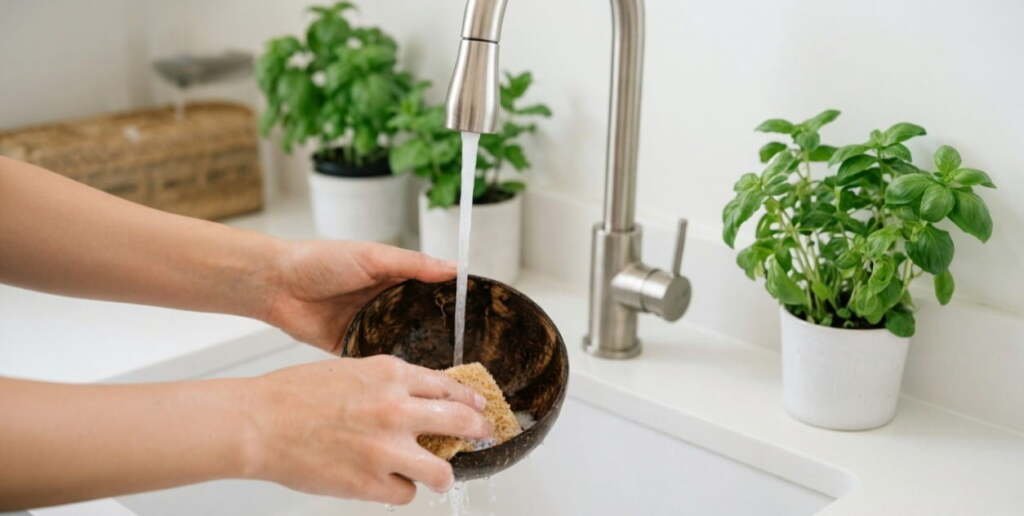
- Hand Wash Only: Please stay away from the dishwasher! The extreme heat and harsh detergents will strip the life right out of your bowl. A quick bath in lukewarm soapy water is all they need.
Fun (and Safe) Ways to Use Your Bowls
Since we aren’t cooking in them, let’s talk about how to make them the stars of your kitchen.
The Ultimate Smoothie Bowl
This is what coconut bowls were born for. Throw in some frozen mango, a splash of almond milk, and a handful of spinach. Top it with chia seeds, granola, and shredded coconut. It looks like a work of art and stays perfectly chilled.
Sustainable Snacking
Use them for nuts, popcorn, or even as a “catch-all” bowl on your entryway table for keys. They add a natural, grounding texture to any room.
Eco-Friendly Gifting
A coconut bowl gift set is my go-to for housewarmings. It’s thoughtful, unique, and tells the recipient you care about the planet. Just maybe include a little note: “Keep me out of the microwave!”
Keeping the Glow: The “Spa Day”
Every 10 to 15 uses, your bowl might start to look a bit dull or “dry.” This is totally normal!
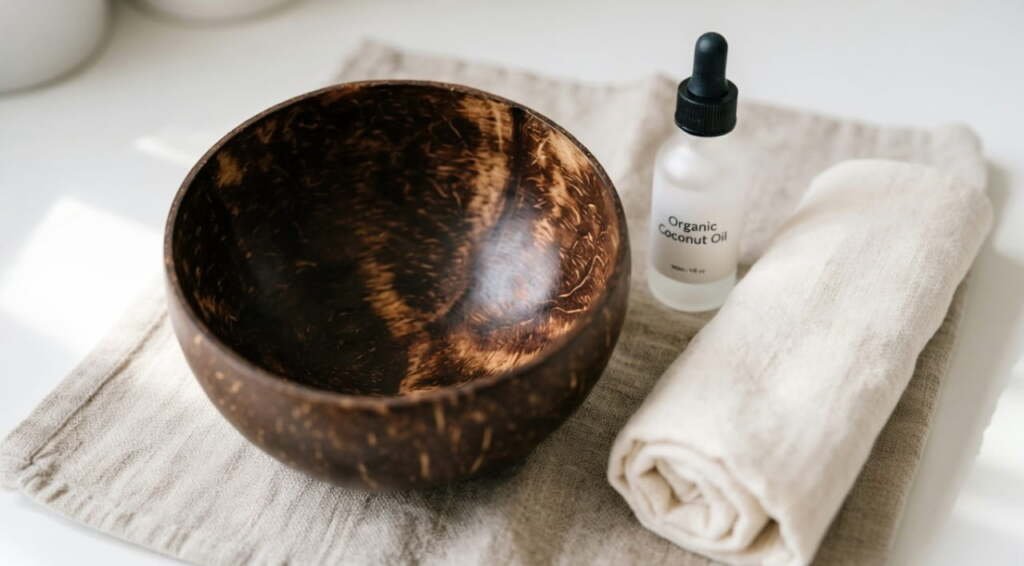
Give it a little spa day. Take a teaspoon of coconut oil and rub it all over the surface with a soft cloth. You’ll watch the wood grain come back to life instantly. It’s a super satisfying 2-minute task that ensures your sustainable item lasts for years.
The Final Verdict Of Are Coconut Bowls Microwave Safe?
So, are coconut bowls microwave safe? Definitely not. But that shouldn’t stop you from loving them! They remind us to slow down, eat fresh, and choose products that are kind to the Earth. Use your glass or ceramic containers for the heavy lifting in the microwave, and save your coconut bowls for the beautiful, fresh moments.
Pingback: Why Coconut Bowls Are Trending | Habitat Cultures
since they’re 100% natural, they do need a little extra love to last. I just shared a quick guide on the best way to keep them safe here: https://habitatcultures.com/are-coconut-bowls-microwave-safe/